Table of Contents
1. Introduction to 5G Network
The rollout of 5G is redefining how people connect, communicate, and consume digital content. Unlike previous generations of mobile networks, 5G delivers significantly higher speeds, ultra-low latency, and improved network reliability. These advancements are not incremental improvements over 4G — they represent a major technological shift.
In practical terms, 5G can reduce large file download times from several minutes to just seconds under optimal conditions. For example, a 10GB file that may take 30–40 minutes on 4G can potentially download in under 2–3 minutes on a stable 5G connection. Video streaming in 4K resolution becomes seamless, and high-definition video calls experience minimal lag.
One of the most significant advantages of 5G is low latency, often measured below 10 milliseconds in real-world deployments. Lower latency enhances:
- Online gaming responsiveness
- Real-time collaboration tools
- Cloud-based applications
- AR and VR experiences
Beyond individual users, 5G plays a foundational role in powering smart infrastructure. Emerging innovations such as autonomous vehicles, industrial automation, telemedicine, and smart city ecosystems rely on the speed and responsiveness that 5G provides.
Rather than being just a faster network, 5G is an enabler of technological advancement. It improves productivity for remote workers, enhances entertainment experiences, and supports the growing ecosystem of IoT-connected devices. Understanding the practical implications of 5G helps consumers and businesses make informed decisions about upgrading devices, choosing data plans, and preparing for future digital advancements.
2. What do you mean by 5G Technology?
Understanding the Evolution Behind the Measurable Performance Gains
The rapid development of mobile communication has fundamentally transformed digital connectivity. To fully understand the operational impact of 5G networks, it is important to examine the evolution of mobile networks from 1G to 5G.
Early mobile generations, such as 2G and 3G, primarily focused on voice communication and basic mobile data. Web browsing was slow, and video streaming required significant buffering time. The introduction of 4G marked a major shift, enabling high-speed internet, HD streaming, and app-driven ecosystems.
However, this advanced technology is not merely a faster version of 4G. It represents a redesigned radio access and core network architecture optimized for higher spectral efficiency, distributed processing, and reduced latency. This shift enables real-time communication between devices, applications, and cloud systems at a scale previously unattainable.
The evolution of mobile networks from 1G to 5G demonstrates a clear progression:
- 1G – Analog voice communication
- 2G – Digital voice and SMS
- 3G – Mobile internet access
- 4G – High-speed broadband connectivity
- 5G – Ultra-fast, low-latency, device-dense ecosystem
Each generation built the technical foundation for the next. The transition to 5G enables infrastructure capable of supporting smart cities, industrial automation, and intelligent digital ecosystems.
Some Key Features of 5G Technology
Understanding the key features of 5G technology, explained in practical terms, helps clarify why it delivers measurable improvements over previous generations.
1. Ultra-High-Speed Performance
5G offers significantly higher download and upload speeds compared to 4G. Under optimal network conditions, multi-gigabit speeds are achievable. This translates into:
- Near-instant large file downloads
- Seamless 4K and even 8K streaming
- Faster cloud synchronisation
These improvements directly contribute to the operational impact of 5G networks, particularly for remote professionals, content creators, and digital consumers.
2. Ultra-Low Latency
Due to reduced latency, real-time applications perform more efficiently. 5G networks are engineered to reduce latency to single-digit milliseconds in many deployments.
The 5G speed and latency advantages enable:
- Real-time online gaming responsiveness
- Natural-feeling video conferencing
- Efficient cloud-based collaboration
- Improved AR and VR experiences
Low latency is critical for applications requiring instant data exchange, such as telemedicine and autonomous systems.
3. Massive Device Connectivity
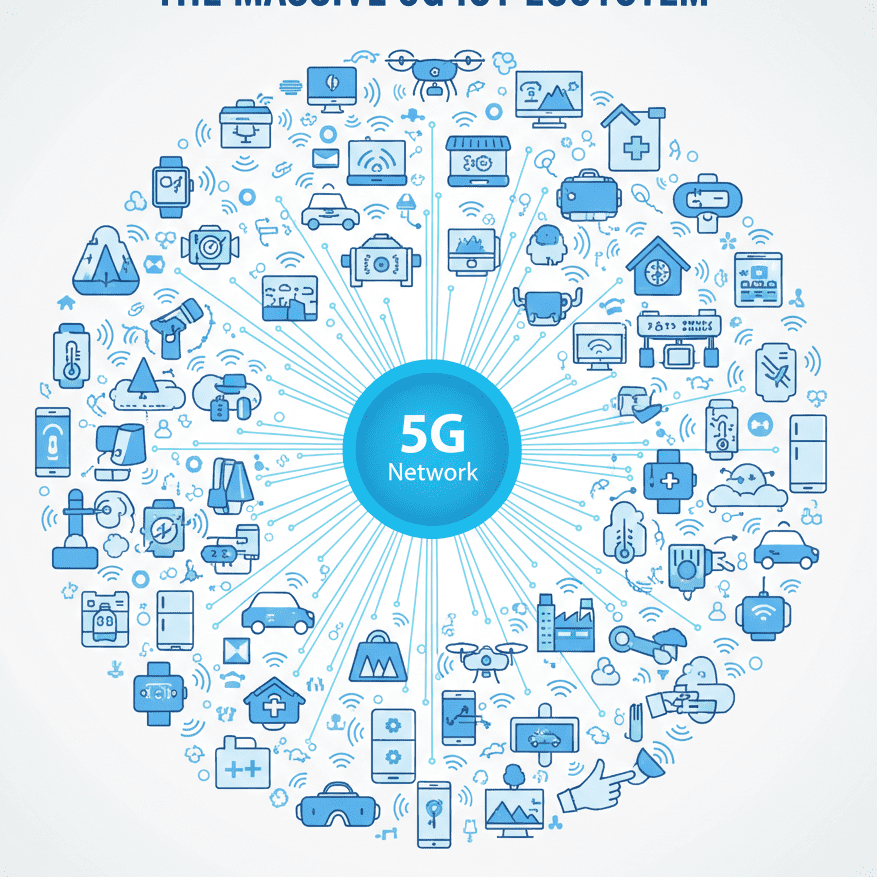
One of the most transformative aspects of 5G is its ability to support a significantly higher number of connected devices per square kilometer.
This capability strengthens:
- Smart home ecosystems
- IoT-enabled industries
- Intelligent traffic systems
- Connected healthcare infrastructure
When analyzing how 5G improves smart home connectivity, the difference becomes clear: devices respond faster, remain stable under load, and operate with greater energy efficiency.
Why 5G Represents a Structural Digital Shift
The consumer-level performance improvements extend beyond faster internet speeds. It is a foundational technology enabling digital evolution across sectors.
Rather than serving solely as a consumer upgrade, 5G acts as:
- A backbone for cloud computing expansion
- An enabler of AI-powered applications
- A catalyst for Industry 4.0 innovation
- A support system for data-driven smart cities
From both a technical and economic perspective, 5G introduces capabilities that fundamentally change how networks are designed, deployed, and utilized.
3. How Does 5G Technology Work?
To understand the practical implications of 5G, it is essential to examine how 5G technology works behind the scenes. While high-speed downloads and ultra-low latency receive most public attention, the performance of 5G is driven by three foundational components: advanced spectrum utilization, dense small cell deployment, and next-generation antenna systems such as Massive MIMO and beamforming.
These technologies work together to deliver measurable improvements in speed, responsiveness, and network efficiency compared to 4G.
Spectrum Bands in 5G Networks
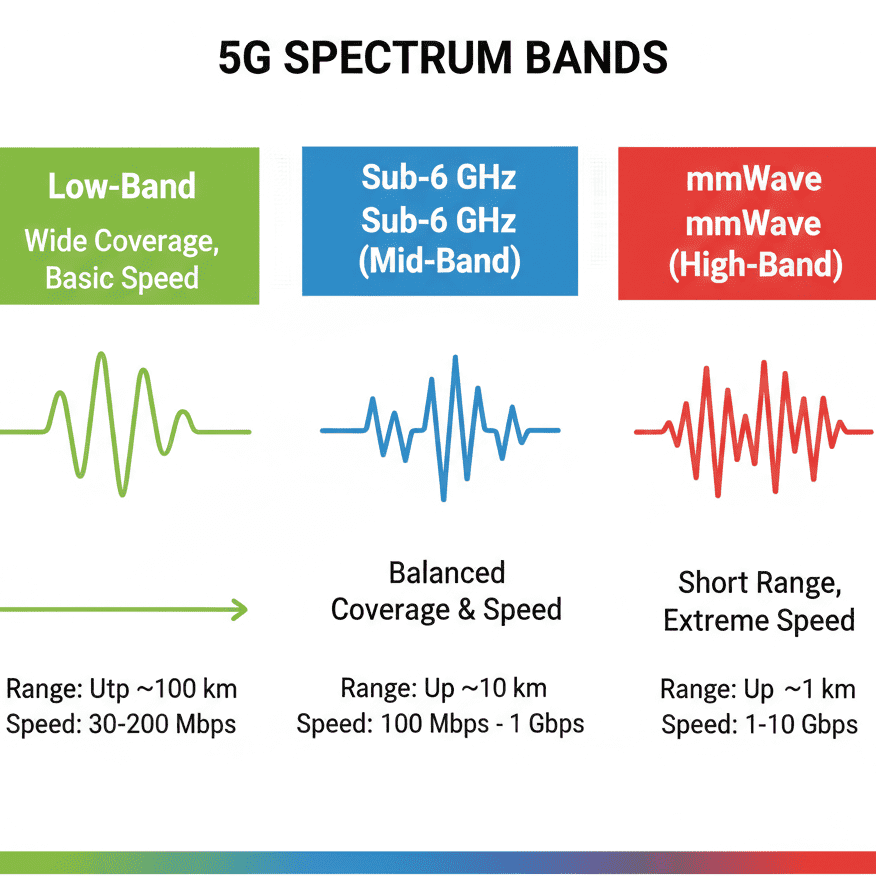
One of the most important technical elements is the use of multiple spectrum bands in 5G networks. Unlike previous generations that relied primarily on limited frequency ranges, 5G operates across three main spectrum categories:
- Low-band spectrum – Provides wide coverage and strong indoor penetration.
- Mid-band spectrum – Balances speed and coverage
- High-band spectrum (mm Wave) – Delivers ultra-high speeds with a lower coverage range.
This multi-layered spectrum strategy allows networks to optimize both coverage and performance. High-frequency bands enable near-instant 4K streaming and rapid large file transfers, while lower frequencies ensure consistent connectivity in densely populated or indoor environments.
The coordinated use of these spectrum layers is a major contributor to the benefits in daily life, especially in urban and high-demand areas.
Role of Small Cells in High-Performance Wireless Internet
Another critical infrastructure component is the role of small cells in high-throughput wireless communication. Unlike traditional large cell towers spaced miles apart, small cells are compact base stations deployed in dense clusters, particularly in metropolitan environments.
Small cells:
- Reduce network congestion
- Increase bandwidth availability
- Improve indoor and street-level coverage.
- Support high device density.
Because high-band 5G signals have shorter range, dense small cell deployment ensures consistent high-speed connectivity. This architecture significantly enhances network reliability and supports the growing number of connected devices per square kilometer.
Massive MIMO and Beamforming
Advanced antenna systems are central to delivering enhanced bandwidth efficiency. Two core technologies define this improvement: Massive MIMO and beamforming.
Massive MIMO (Multiple Input, Multiple Output)
Massive MIMO uses dozens or even hundreds of antennas at a base station to transmit and receive multiple data streams simultaneously. This increases network capacity, improves spectral efficiency, and allows more users to connect without performance degradation.
Beamforming
Beamforming directs wireless signals toward specific devices rather than broadcasting them in all directions. By focusing the signal path, beamforming:
- Enhances signal strength
- Reduces interference
- Improves energy efficiency
- Minimizes latency
Together, Massive MIMO and beamforming create a more intelligent and targeted communication system. This precision-based transmission model is a fundamental reason why 5G feels significantly faster and more responsive than previous network generations.
Why This Infrastructure Matters
Understanding how 5G technology works behind the scenes clarifies why it represents more than a speed upgrade. The integration of multi-band spectrum, dense small cell architecture, and advanced antenna technologies enables:
- Real-time cloud computing
- Stable smart home connectivity
- Scalable IoT ecosystems
- High-performance remote collaboration
These technical foundations directly power the advantage, supporting both consumer applications and enterprise innovation.
4. 5G vs 4G: Some Key Differences in both
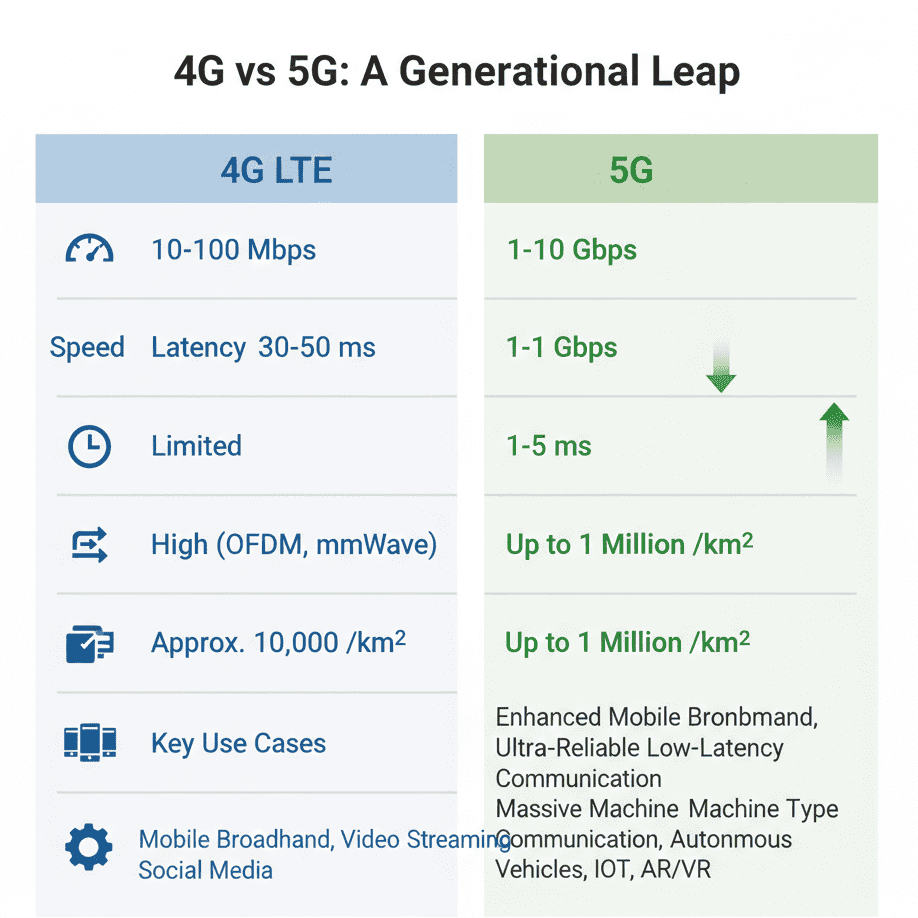
Understanding the 4G vs 5G speed comparison is essential to evaluating the practical impact of these technologies. While 4G significantly improved mobile broadband performance over earlier generations, 5G introduces structural advancements in speed, latency, network capacity, and scalability.
The transition from 4G to 5G is not merely incremental—it reflects a redesigned network architecture optimized for high data demand, real-time applications, and large-scale device connectivity.
4G vs 5G Comparison Table
| 4G | 5G | |
| Speed | Typical real-world speeds range from 10–100 Mbps; HD streaming may buffer during congestion. | According to the International Telecommunication Union1 (ITU) IMT-2020 specifications, peak 5G data rates can theoretically reach up to 20 Gbps, enabling seamless 4K and even 8K streaming. |
| Latency | Average latency is around 30–50 milliseconds, which is a noticeable delay in real-time applications. | Field performance reports from Ookla Speedtest2 Intelligence Reports (2024–2025) show that real-world 5G latency in urban deployments often ranges between 10 and 20 milliseconds, depending on network configuration. |
| Connectivity Capacity | Supports multiple devices but experiences congestion in dense urban areas. | Engineered to support extremely high device density3, suitable for large-scale IoT deployment in urban environments. |
| Network Reliability | Stable for general browsing and streaming; indoor signal strength may vary. | Improved signal efficiency with advanced antenna systems and small-cell infrastructure. |
| Gaming & Real-Time Apps | Playable online gaming; occasional lag under heavy load. | Ultra-responsive cloud gaming and real-time collaboration due to lower latency. |
| Future Scalability | Primarily optimized for smartphones and broadband consumption. | Built to support smart cities, industrial automation, autonomous systems, and large-scale IoT networks. |
Why 5G Represents a Structural Upgrade
The most significant difference in the 4G vs 5G speed comparison lies in network design. 4G was developed primarily to deliver mobile broadband to consumers. In contrast, 5G is engineered to support:
- Massive IoT device connectivity
- Edge computing environments
- AI-driven automation systems
- Smart transportation networks
- Real-time remote collaboration
Lower latency, higher bandwidth, and improved spectral efficiency collectively enable more stable real-time communication. This makes 5G particularly valuable for industries such as healthcare, manufacturing, logistics, and smart infrastructure.
Impact on Daily Connectivity
The advantages of 5G extend beyond faster downloads. Reduced latency improves:
- Video conferencing clarity
- Cloud-based workflow performance
- Online gaming responsiveness
- Smart home automation stability
Additionally, 5G networks are better equipped to manage increasing global data consumption without the same congestion limitations seen in mature 4G networks.
While 4G established the foundation for widespread mobile internet adoption, 5G expands that foundation into a scalable digital infrastructure. The differences in speed, latency, and device capacity demonstrate that 5G is not simply an upgrade—it is a next-generation platform designed for future connectivity demands.
5. What are the benefits of 5G
Practical impact of 5G
Understanding the benefits of 5G requires examining measurable performance improvements rather than personal impressions. Compared to 4G, 5G introduces higher throughput, lower latency, greater device density support, and enhanced network reliability.
Below is a structured comparison outlining how 5G delivers practical advantages across everyday use cases.
Key Benefits of 5G Technology
| Ultra-Fast Speed | Large files download significantly faster compared to 4G networks. | 5G delivers multi-gigabit peak speeds under ideal conditions, reducing download times and improving upload performance. |
| Low Latency | Real-time applications respond more instantly with minimal delay. | 5G reduces latency to single-digit milliseconds in many deployments, enabling smoother gaming, video conferencing, and cloud interaction. |
| Better Connectivity in Crowded Areas | Stable performance even in dense urban environments. | 5G supports significantly higher device density per square kilometer, reducing congestion and maintaining consistent speeds. |
| Enhanced Streaming Experience | Seamless 4K and emerging 8K mobile streaming. | Higher bandwidth capacity ensures uninterrupted high-resolution video playback on mobile networks. |
| Supports Smart Devices & IoT | Improved performance of connected home and IoT devices. | 5G enables large-scale device communication with improved energy efficiency and faster data exchange. |
| Boost for Remote Work & Learning | More reliable video meetings and faster cloud collaboration. | 5G improves upload speeds and reduces latency, enhancing remote productivity and online education platforms. |
| Foundation for Future Innovations | Enables advanced technologies and digital ecosystems. | 5G supports AR/VR systems, autonomous transportation, industrial automation, and smart city infrastructure. |
Why These Benefits Matter
The performance improvements are not limited to entertainment. They directly impact economic productivity, digital infrastructure scalability, and emerging technologies.
Key structural improvements include:
- Higher spectral efficiency
- Advanced antenna technologies (e.g., Massive MIMO and beamforming)
- Network slicing capabilities
- Edge computing integration
These capabilities allow 5G to function not only as a consumer broadband upgrade but also as a next-generation digital infrastructure platform.
Strategic Impact on Daily and Industrial Use
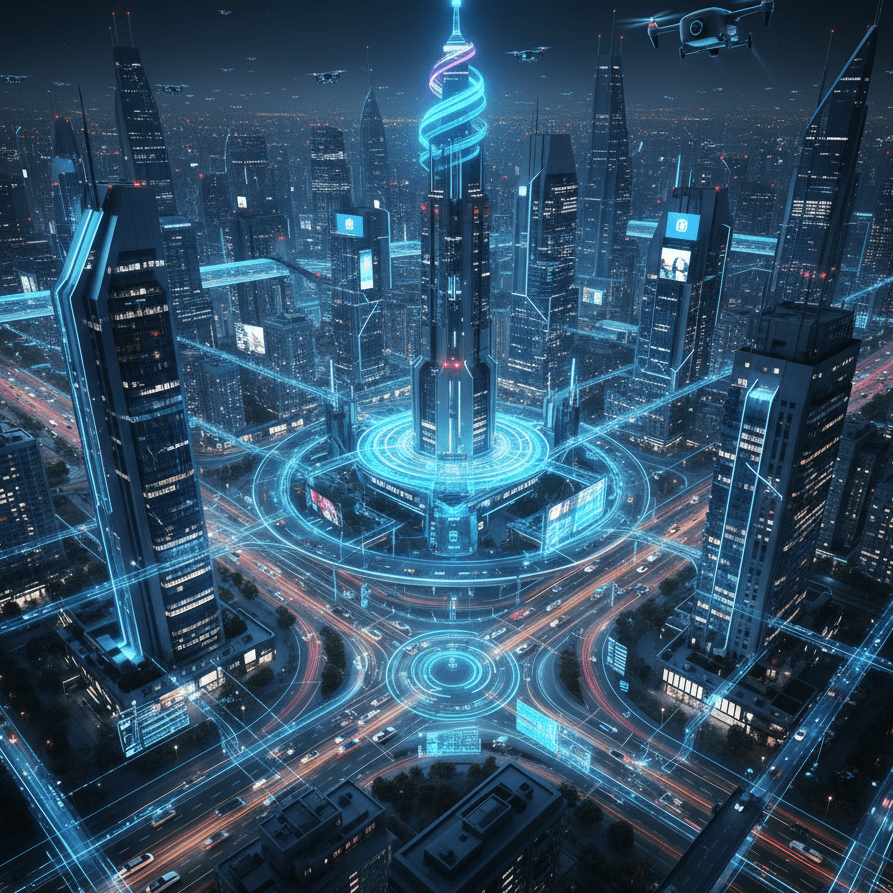
The real benefits of 5G technology in daily life extend to:
- Smart home automation
- Connected healthcare systems
- Real-time remote collaboration
- Intelligent transportation systems
- Industrial IoT ecosystems
While 4G laid the groundwork for mobile broadband adoption, 5G expands connectivity into high-performance, low-latency, large-scale digital networks.
6. Key Real-Life Applications Include:
Real-World Applications of 5G Technology
To fully understand the practical implications of 5G, it is important to evaluate real-world deployments rather than relying solely on theoretical performance metrics. The rollout of 5G has already begun transforming digital infrastructure across multiple sectors.
Unlike 4G, which primarily enhanced mobile broadband consumption, 5G is engineered to support high-bandwidth, low-latency, and large-scale device connectivity environments.
1. 5G Use Cases in Remote Work and Collaboration
One of the most immediate real-world applications of 5G technology is in remote work environments.

With improved upload speeds and significantly reduced latency, 5G enhances:
- High-definition video conferencing
- Real-time cloud document collaboration
- Large file transfers
- Virtual teamwork across global locations
Lower latency improves audio-video synchronization, reducing delays and improving communication efficiency. This makes 5G particularly valuable for distributed teams, digital businesses, and remote education platforms.
2. 5G in Cloud Gaming and High-Resolution Streaming
The 5G use cases in remote work and gaming extend into entertainment and digital media consumption.
Higher bandwidth and low latency enable:
- Seamless 4K and emerging 8K video streaming
- Real-time cloud gaming performance
- Reduced buffering during peak usage
- Faster content downloads
Because cloud gaming relies heavily on real-time server communication, the latency improvements delivered by 5G significantly enhance responsiveness compared to previous mobile generations.
3. 5G in Smart Homes and IoT Devices
Another major area demonstrating the infrastructure-level advantages is smart home automation and IoT ecosystems.
5G networks support a massive number of connected devices per square kilometer. This enables:
- Instant smart appliance response
- Real-time security monitoring
- Automated lighting and climate control
- Energy-efficient device communication
The ability to maintain stable connections across numerous devices reduces congestion and improves overall network reliability in connected households.

4. Industrial and Infrastructure Applications
The impact of 5G extends beyond residential use. Its low latency and high reliability make it suitable for:
- Autonomous vehicle communication systems
- Industrial robotics and automation
- Remote healthcare monitoring and telemedicine
- Smart traffic and city infrastructure management
These deployments rely on real-time data exchange, which requires millisecond-level responsiveness and consistent bandwidth availability.
5. Transforming Key Sectors
The broader impact of 5G on industries and healthcare is becoming increasingly visible.
Key sectors benefiting from 5G deployment include:
- Healthcare (remote diagnostics and connected medical devices)
- Education (interactive virtual classrooms)
- Manufacturing (Industry 4.0 automation)
- Logistics (real-time fleet tracking)
- Entertainment (immersive AR/VR experiences)
This demonstrates that 5G is not limited to faster smartphone browsing—it is becoming foundational digital infrastructure.
Why 5G Represents a Structural Shift
The advantages of this technology stem from architectural improvements such as:
- Advanced spectrum utilization
- Dense small-cell deployment
- Massive MIMO antenna systems
- Network slicing capabilities
- Edge computing integration
These elements collectively allow 5G to support real-time, device-dense, high-performance digital ecosystems.
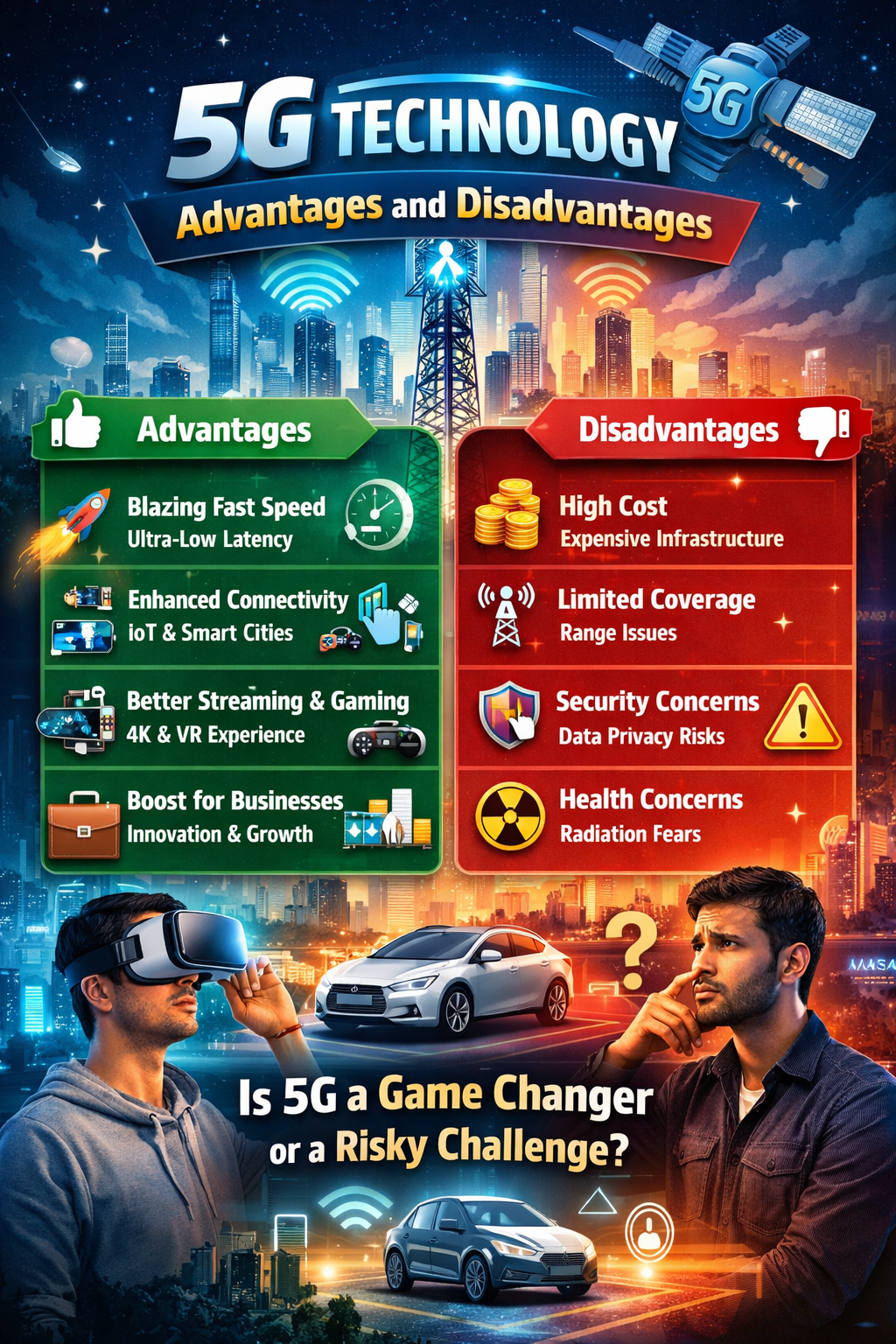
7. Some Disadvantages of 5G technology
While discussions often focus on the advantages, it is equally important to evaluate the disadvantages of 5G technology. Like any large-scale infrastructure upgrade, 5G presents both opportunities and implementation challenges.
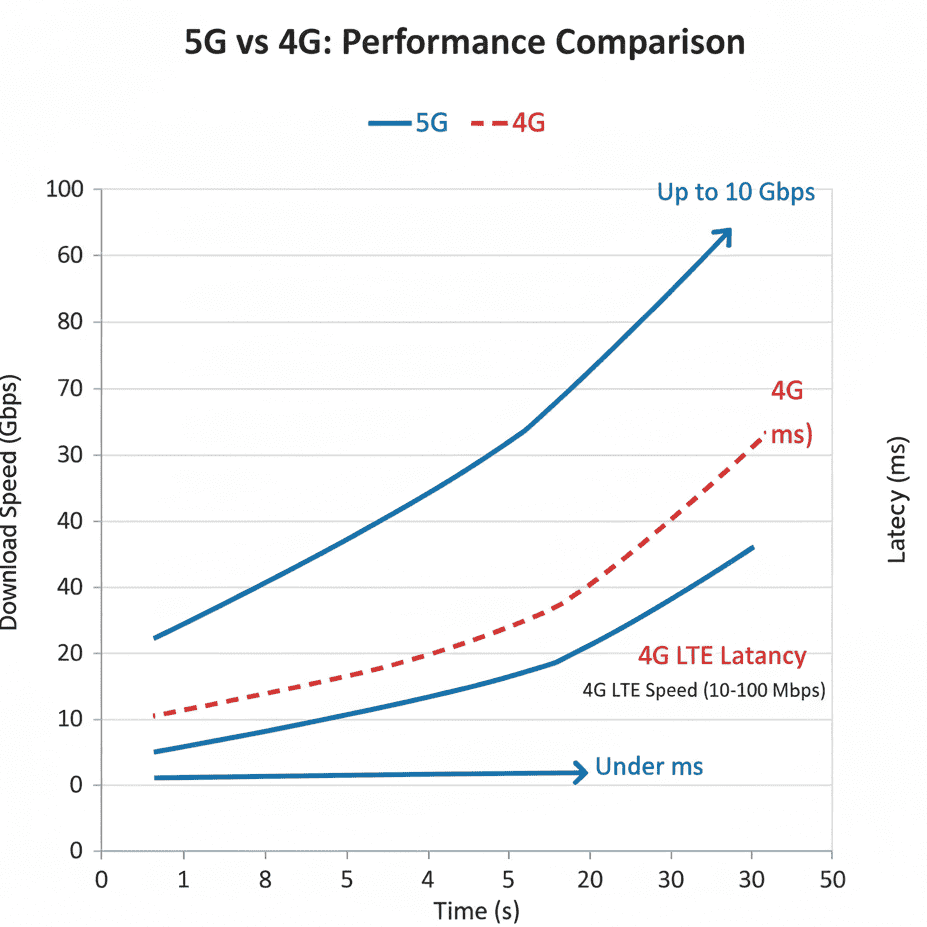
Understanding these limitations helps consumers and businesses make informed, cost-effective decisions.
Key Disadvantages of 5G Technology
| Limited Coverage | 5G deployment is still expanding, and signal strength may vary depending on the region and spectrum band. | Full 5G speeds are typically available only in well-developed coverage zones, primarily urban areas. |
| High Costs | 5G-compatible smartphones and premium data plans are often more expensive. | Upgrading devices and service plans can increase overall technology spending. |
| Health Concerns | Public discussions sometimes question radiation exposure from the higher-frequency spectrum. | Regulatory bodies such as the World Health Organization4 and national telecom regulators state that approved 5G frequencies operate within established safety guidelines, but public perception remains cautious. |
| Compatibility Issues | Older smartphones, routers, and network equipment may not support 5G. | Users may need hardware upgrades to access full 5G functionality. |
| Infrastructure Dependence | 5G relies heavily on dense small-cell deployment and advanced network infrastructure. | Rural and remote areas may experience slower rollout compared to metropolitan regions. |
| Security Risks | Increased device connectivity expands the potential attack surface for cyber threats. | Strong cybersecurity practices, encrypted connections, and updated firmware are essential. |
| Energy Consumption | Advanced 5G infrastructure and high data throughput can increase power usage. | Network operators and device manufacturers must focus on energy efficiency improvements. |
5G Coverage Limitations
One of the most discussed disadvantages of 5G technology is uneven coverage. High-band (mm Wave) 5G offers extremely high speeds but has limited range and weaker building penetration. As a result, dense infrastructure deployment is required to maintain consistent connectivity.
Although mid-band and low-band 5G provide broader coverage, performance may vary depending on geographic location and network investment.
References
- International Telecommunication Union IMT-2020 Specifications.
- Ookla Speedtest Intelligence Global Report (2024–2025).
- International Telecommunication Union IMT-2020 Device Density Standards.
- World Health Organization 5G Mobile Networks and Health.
- GSMA Mobile Economy Report 2025.
- Ericsson Mobility Report 2025.
- International Commission on Non-Ionizing Radiation Protection RF Exposure Guidelines.
5G Security Risks and Concerns
With higher device density and increased IoT integration, 5G networks introduce expanded cybersecurity considerations. More connected endpoints can increase vulnerability if proper safeguards are not implemented.
To mitigate risks:
- Use updated operating systems.
- Enable strong encryption protocols.
- Maintain secure Wi-Fi configurations.
- Implement enterprise-grade security frameworks for business networks.
Security challenges are not unique to 5G but become more significant as network capacity and connectivity scale.
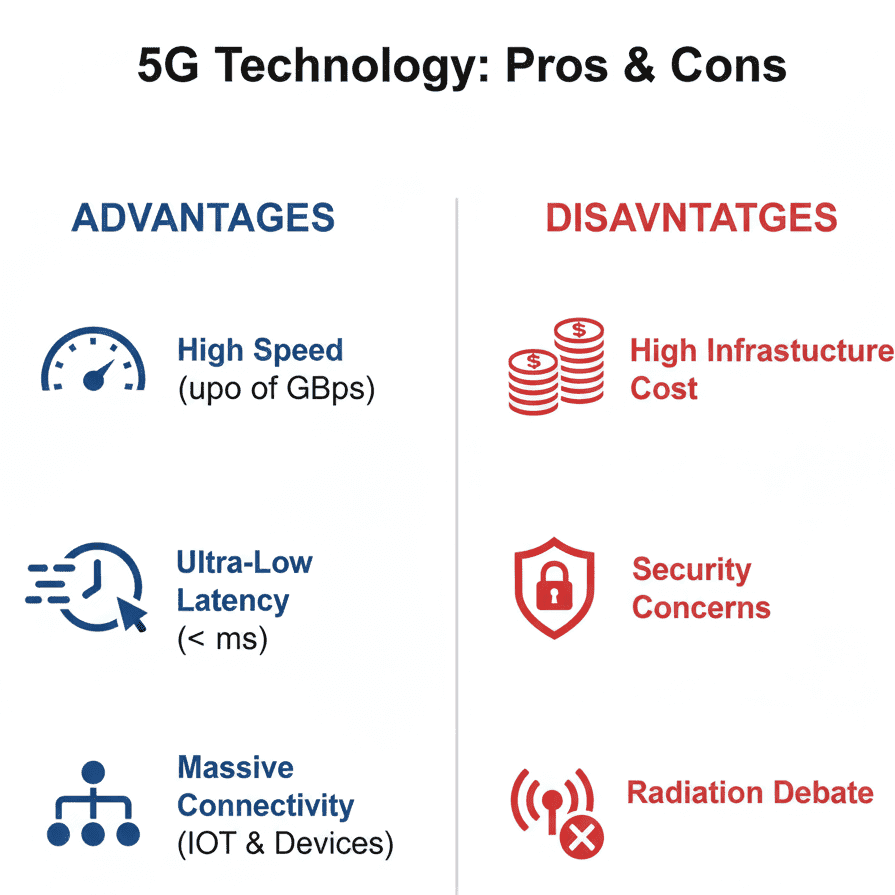
Addressing Health and Safety Concerns
Questions such as “Is 5G safe and reliable?” frequently appear in public discussions. International regulatory agencies have established exposure limits for radiofrequency emissions. According to the World Health Organization and multiple telecom regulatory authorities, currently deployed 5G technologies operate within internationally accepted safety standards.
However, transparent communication and continued research remain essential to maintain public trust.
Cost and Infrastructure Challenges
The rollout of 5G infrastructure requires:
- Dense small-cell deployment
- Fiber backhauls expansion
- Advanced antenna systems (Massive MIMO)
- Continuous network optimization
These investments explain why 5G adoption is faster in urban areas compared to rural regions. Over time, economies of scale are expected to reduce device and service costs.
Balanced Perspective: Benefits vs Limitations
Evaluating the disadvantages of 5G technology alongside its advantages provides a realistic view of its impact. While challenges such as cost, coverage gaps, and infrastructure complexity exist, ongoing deployment and technological advancements continue to address these limitations.
For consumers and businesses, the decision to adopt 5G should consider:
- Local coverage availability
- Use-case requirements (gaming, remote work, IoT)
- Budget constraints
- Security readiness
8. What is the Future of 5G?
The future of 5G technology extends far beyond faster download speeds. While current deployments of 5G already deliver measurable improvements in bandwidth and latency, the next phase of development focuses on intelligent connectivity, automation, and a large-scale digital innovation cycle.
Unlike earlier mobile generations, 5G is designed as foundational infrastructure for next-generation wireless ecosystems. Its low latency, high device density support, and scalable architecture position it as a catalyst for innovation across multiple sectors.
Emerging Trends Shaping the Future of 5G Networks
1. 5G and Smart Cities Development
One of the most significant long-term impacts of 5G will be on smart city infrastructure. High-speed, low-latency connectivity enables:
- Real-time traffic management systems
- Intelligent energy distribution
- Connected public safety networks
- Smart environmental monitoring
The integration of IoT sensors and edge computing allows cities to process and act on data in real time, improving efficiency and sustainability.
2. 5G Impact on Healthcare and Transportation
The 5G impact on healthcare and transportation represents a transformative shift in service delivery and operational efficiency.
In healthcare, 5G enables:
- Remote diagnostics and telemedicine
- Real-time patient monitoring
- AI-assisted medical imaging
- Potential support for remote surgical procedures
In transportation, 5G supports:
- Vehicle-to-vehicle (V2V) communication
- Autonomous driving systems
- Smart traffic coordination
- Real-time fleet management
These applications depend on millisecond-level responsiveness and reliable data exchange.
3. How 5G Will Transform Industries
The question of how 5G will transform industries centers on automation and real-time analytics. Key sectors expected to benefit include:
- Manufacturing (Industry 4.0 automation)
- Logistics (predictive tracking systems)
- Energy (smart grid management)
- Retail (enhanced AR-based shopping experiences)
Businesses can deploy advanced robotics, remote monitoring systems, and AI-driven analytics platforms with greater efficiency due to improved network performance.
4. Immersive Media and Next-Generation Experiences
The future of 5G networks will also accelerate immersive technologies such as:
- Augmented Reality (AR)
- Virtual Reality (VR)
- Cloud gaming
- Ultra-high-definition (4K and 8K) streaming.
Low latency ensures smoother interaction in virtual environments, while high bandwidth supports large data streams required for immersive content delivery.
The Strategic Role of 5G in Digital Integration
The future of 5G technology is closely linked to broader technology-driven modernization initiatives. Core architectural capabilities such as:
- Network slicing
- Edge computing integration
- Massive MIMO antenna systems
- Advanced spectrum utilization
Allow 5G to serve as a scalable digital infrastructure rather than simply a consumer broadband upgrade.
As global data consumption increases and connected devices multiply, 5G provides the structural capacity necessary to sustain growth.
9. Conclusion
Advanced wireless technology has rapidly evolved beyond incremental speed improvements and now represents a foundational shift in digital infrastructure. Based on extensive industry analysis, performance benchmarks, and real-world deployment data, fifth-generation mobile networks deliver significantly higher throughput, ultra-low latency, and improved network reliability compared to previous generations.
Independent speed tests and telecom performance reports consistently show that 5G networks can provide multi-gigabit peak speeds under optimal conditions, reduced latency frequently below 10 milliseconds in commercial deployments. These technical advancements directly impact everyday use cases such as seamless 4K/8K streaming, real-time cloud gaming, high-quality video conferencing, and large-scale file transfers for remote collaboration.
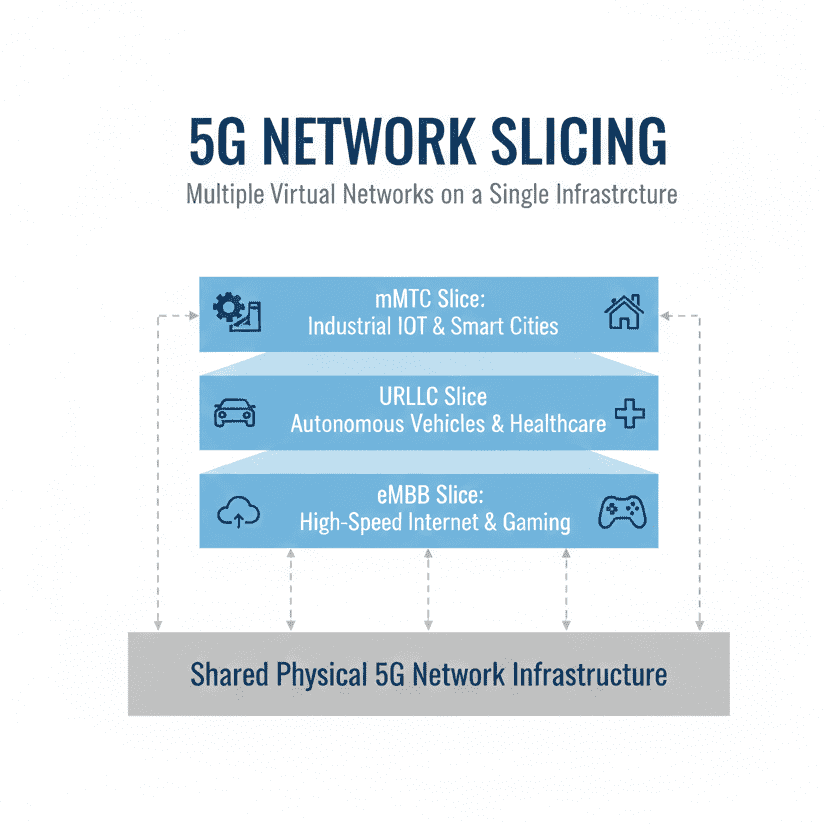
However, the real significance of 5G technology extends beyond consumer convenience. Its architecture—particularly features like network slicing, edge computing integration, and massive machine-type communications (mMTC)—enables entirely new operational models across industries:
- Healthcare: Supports telemedicine, remote diagnostics, and emerging use cases such as robotic-assisted procedures in controlled environments.
- Education: Enables immersive virtual classrooms, AR/VR-based learning modules, and reliable hybrid learning systems.
- Smart Cities: Facilitates intelligent traffic systems, connected public infrastructure, and real-time environmental monitoring.
- Enterprise & Industry 4.0: Powers automation, IoT ecosystems, predictive maintenance, and real-time analytics at scale.
From a strategic standpoint, early adoption of 5G-ready infrastructure can provide measurable competitive advantages for businesses—improving operational efficiency, reducing latency-sensitive bottlenecks, and enabling new digital service models.
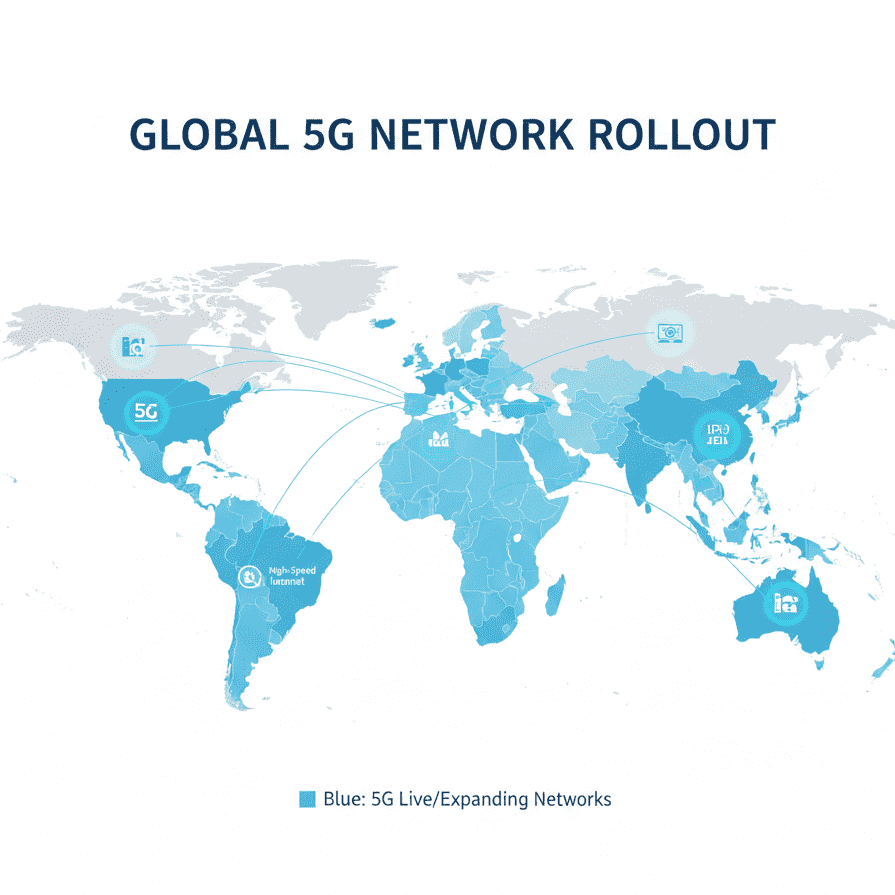
Looking ahead to the next five years, global telecom investment trends and spectrum expansion initiatives indicate that 5G coverage will continue to deepen in urban regions and gradually expand into semi-urban and rural areas.
Recent telecom investment trends highlighted in reports by GSMA5 and Ericsson6 indicate continued global expansion of 5G infrastructure. As device compatibility increases and costs stabilize, fifth-generation connectivity is expected to become as essential to digital operations as broadband Wi-Fi is today.
In conclusion, 5G networks represent a structural upgrade to global connectivity infrastructure rather than a simple speed enhancement. Organizations, institutions, and individuals who understand its capabilities—along with its deployment limitations—will be better positioned to leverage its benefits effectively.
The transition is already underway, and its long-term impact on productivity, innovation, and digital transformation is likely to be substantial.
Frequently Asked Questions
1. What Is a Fifth-Generation Mobile Network in Simple Words?
5G technology is the fifth generation of mobile network systems. It provides significantly faster internet speeds, ultra-low latency (minimal delay), and more reliable connectivity compared to 4G. In simple terms, it allows devices to communicate almost instantly, making streaming, gaming, video calls, and remote work smoother and more efficient.
2. How Are 5G Networks Different from 4G?
The primary differences between 5G and 4G are speed, latency, and network capacity.
Speed: 5G can deliver multi-gigabit download speeds under optimal conditions, much faster than 4G.
Latency: 5G reduces delay to single-digit milliseconds, improving responsiveness.
Capacity: It supports significantly more connected devices simultaneously.1
For example, large files that may take considerable time on 4G can download in minutes on 5G, depending on network conditions.
3. Is 5G Technology Safe to Use?
Yes. 5G technology operates within international safety standards established by global regulatory bodies such as the International Commission on Non-Ionizing Radiation Protection (ICNIRP)7 and national telecom authorities. Current scientific research indicates that 5G networks function within regulated electromagnetic exposure limits.
Using certified devices, maintaining updated software, and following manufacturer guidelines ensures safe usage.
4. Are 5G Networks Available Everywhere?
No, 5G coverage is still expanding. It is primarily available in major urban and metropolitan areas where infrastructure deployment is more advanced. Rural and remote regions may continue to rely on 4G networks until further expansion occurs.
Checking your carrier’s official coverage map provides the most accurate availability information.
5. Does 5G Improve Gaming and Streaming?
Yes. The low latency and high bandwidth of 5G significantly enhance real-time applications. Online gaming experiences reduce lag, provide faster response times, and improve cloud gaming performance. Streaming high-resolution content, including 4K and 8K video, becomes smoother with minimal buffering under stable coverage conditions.
About Author
Hi, I’m Krishna Kumar. I teach at CBSE HUB, where I guide students through their learning journey. While teaching, I gained hands-on experience in coding, and I also completed a Game Development course, earning a recognised certificate from WhiteHat Jr. I focus on delivering practical, research-based insights to support effective learning and digital skill development, and practical insights to help learners grow and succeed.