
Introduction: French Revolution
The French Revolution was not merely a struggle for political power; it was a gigantic human battle for the values of dignity, equality, and freedom. The whole process got underway in a society that was characterized by the extreme contrast between the extreme wealth of a few and the extreme poverty of the great majority who lived under heavy taxes, suffered from starvation, and injustice. The common people—peasants, workers, women, and the middle class—started to realize the unfairness and the eventual collapse of the old system.
The financial crisis of France, the social inequality, and the rigid system of the three estates were the causes of the French Revolution. While the clergy and nobility lived the life of luxury with the King, the Third Estate had to pay all the taxes. It was the time when bread prices suddenly soared, and unemployment turned into a hopeless situation, and the people had nothing to lose but their chains. The Enlightenment thinkers like Rousseau, Locke, and Montesquieu, among others, were spreading the seeds of liberty, equality, and popular sovereignty.
The year 1789 was the year of dramatic changes with the meeting of the Estates General and the formation of the National Assembly. The storming of the Bastille by the people was a strong representation of royal power and fear. Before long, the feudal privileges were wiped out, and France was on its way to a constitutional monarchy. The Declaration of the Rights of Man and Citizen introduced a new terminology of rights for the whole world, stating that all men are free and equal in the eyes of the law from the moment of birth.
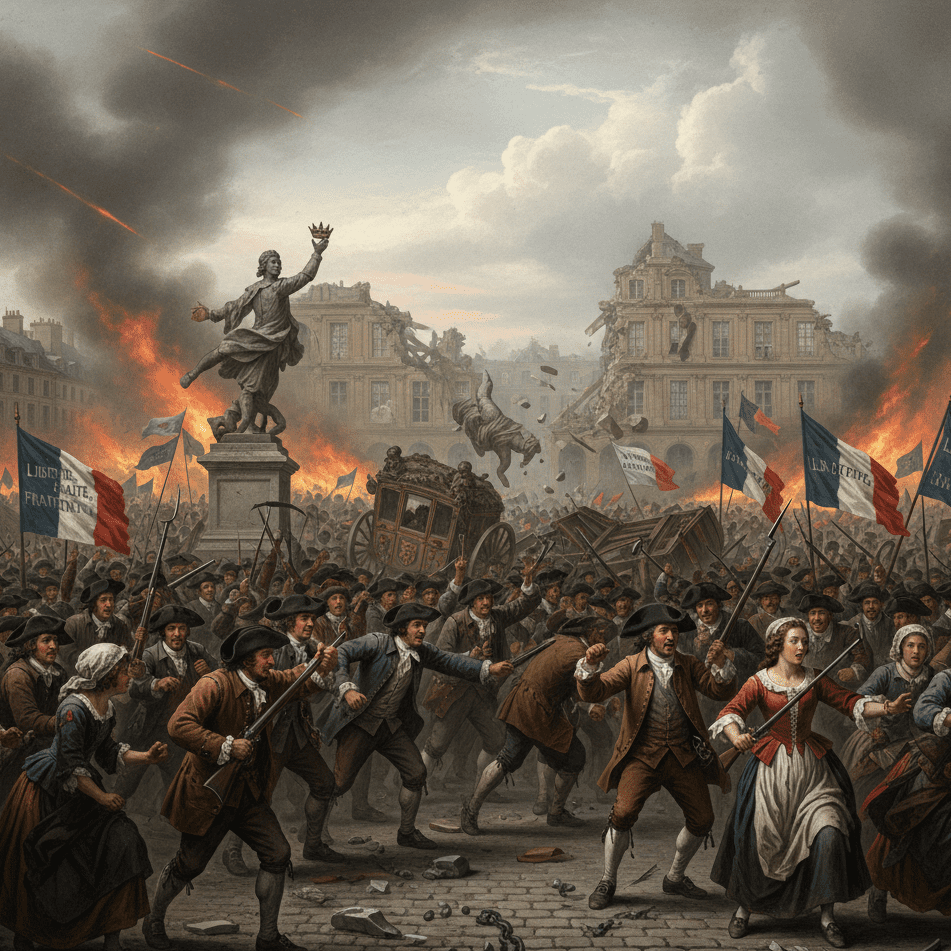
With the revolution taking its course, the situation became more complicated. Battles fought with the monarchies of the surrounding nations, the resulting economic misery, and divisions in the political ranks culminated in the abolishment of the monarchy and the beheading of King Louis XVI. The Revolutionary France turned into a republic, but the liberty dream cost a lot. The Reign of Terror witnessed the execution of thousands in the name of the revolution’s protection, thus indicating the severe side of the revolutionary ideas.
The subsequent phase experienced political turmoil under the Directory, which finally opened the door for Napoleon Bonaparte’s ascent. Despite Napoleon self-coronating as emperor, numerous revolutionary changes like social equality, modern government, and civil liberties continued to influence France and Europe.
Ultimately, the French Revolution gave the world a legacy that lasted forever. It went against royal absolutism, raised the issue of social discrimination, and stimulated all over the world the movements in favour of democracy, human rights, women’s rights, and freedom. The revolution, even with its contradictions and bloodshed, was a turning point in the history of mankind as it demonstrated that common people could not only ask for but also change their fate.
Table of Contents
1. Introduction to the French Revolution
What was the French Revolution?
The French Revolution was a great upheaval of social, political, and economic nature that happened in France between the years of 1789 and 1799. It started as a general rise against absolute monarchy, social injustice, and heavy taxation. The French society of that time was stratified into three estates, where the clergy and the nobility had the enjoyments of privileges, while the common people had to pay heavy taxes and live in a depressed state. The public discontent, together with the food deprivation and the financial crisis, forced the citizens of the lower class to revolt against the established order.
The main goals of the French Revolution were to create a community ruled by liberty, equality, and fraternity. The Enlightenment philosophers had greatly influenced the masses, and the people were clamoring for rights that were equal to those of kings, voting power, and the abolition of the feudal lords’ privileges. Formation of the National Assembly, the taking away of the Bastille, and the Declaration of the Rights of Man and of the Citizen were major events that together marked the fall of the king’s power and the establishment of the people’s power. Eventually, the monarchy was done away with, and a republic was proclaimed in France.
On the other hand, the French Revolution was a great source of reforms but also of violence and instability. The beheading of Louis XVI and the Reign of Terror were indications of how revolutionary ideas could be extreme when they are under pressure. The revolution, despite all the hardships, managed to abolish absolute monarchy in France forever and to promote democracy in other parts of the world, thus earning itself a place among the most significant events of modern history.
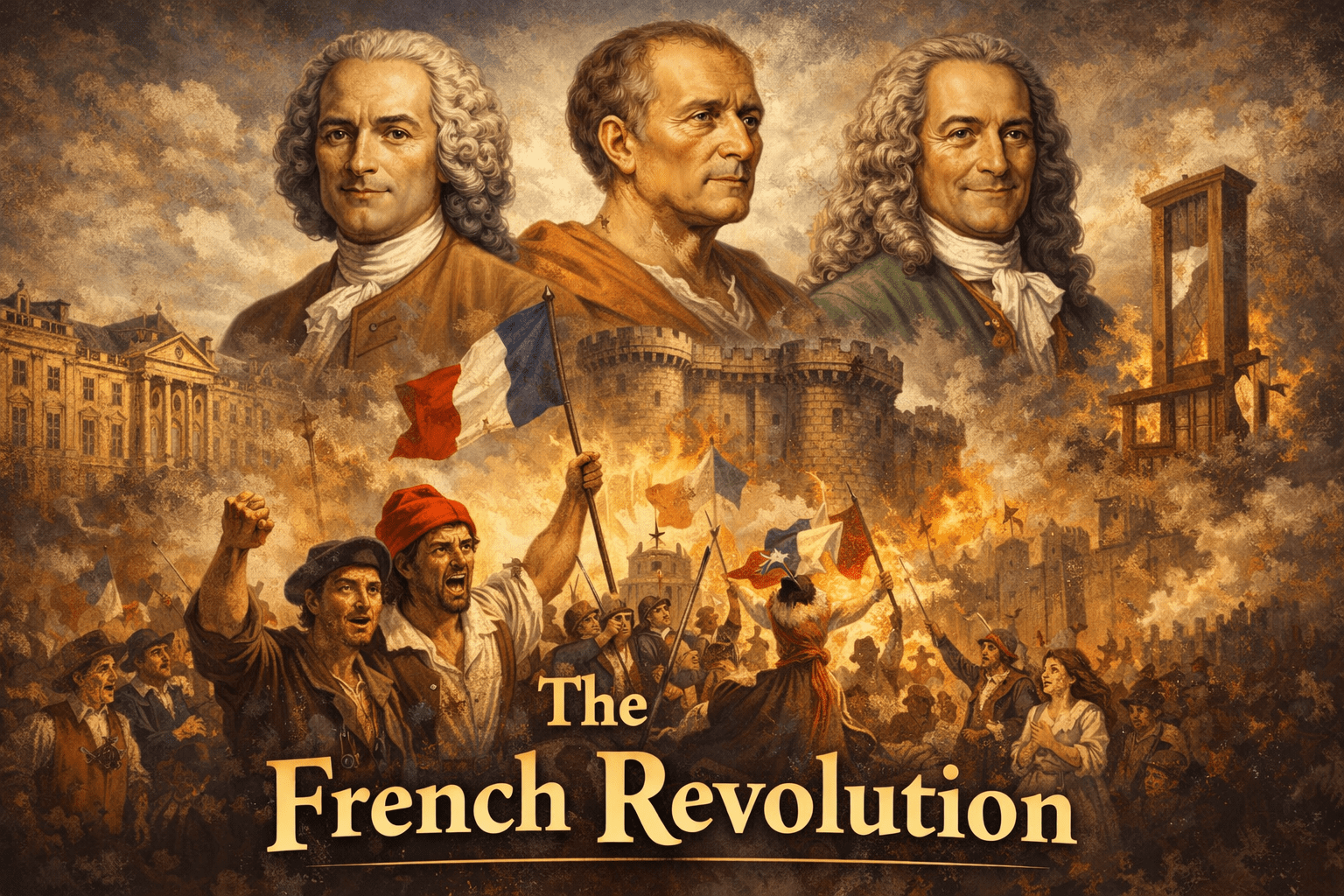
Why the French Revolution is a turning point in world history
The French Revolution is a major event in world history that is characterized by the total transformation of people’s perceptions of issues of power, government, and society. Before the revolution, the majority of nations were under the rule of absolute kings who claimed their reign by inheritance and divine right. The French Revolution overthrew this system and demonstrated that political power could be exercised by the people, not just the monarchs and aristocrats. This transformation was the starting point for the development of democratic concepts and constitutional monarchies that we have today.
The French Revolution is internationally recognized for another reason – it was the very first revolution to advocate the concept of universal human rights. The Declaration of the Rights of Man and Citizen was the revolution’s hallmark, consisting of provisions like equality before the law, freedom of expression, safeguarding of personal rights, and so on. These were the revolutionary ideas that were carried over to Europe, Latin America, and even further, inciting people everywhere to rise against injustice, privileged classes, and colonial rule.
Lastly, the French Revolution drastically changed the social fabric by abolishing feudalism and giving everyone equal rights. It favoured talent over lineage, thus affecting the creation of modern legal systems, civil codes, and nations. The revolution, despite going through a phase of bloodshed and turmoil, had a significant long-term impact that led to a change in the political mindset all over the world. The French Revolution was a central point in the move from the old world to the modern age.
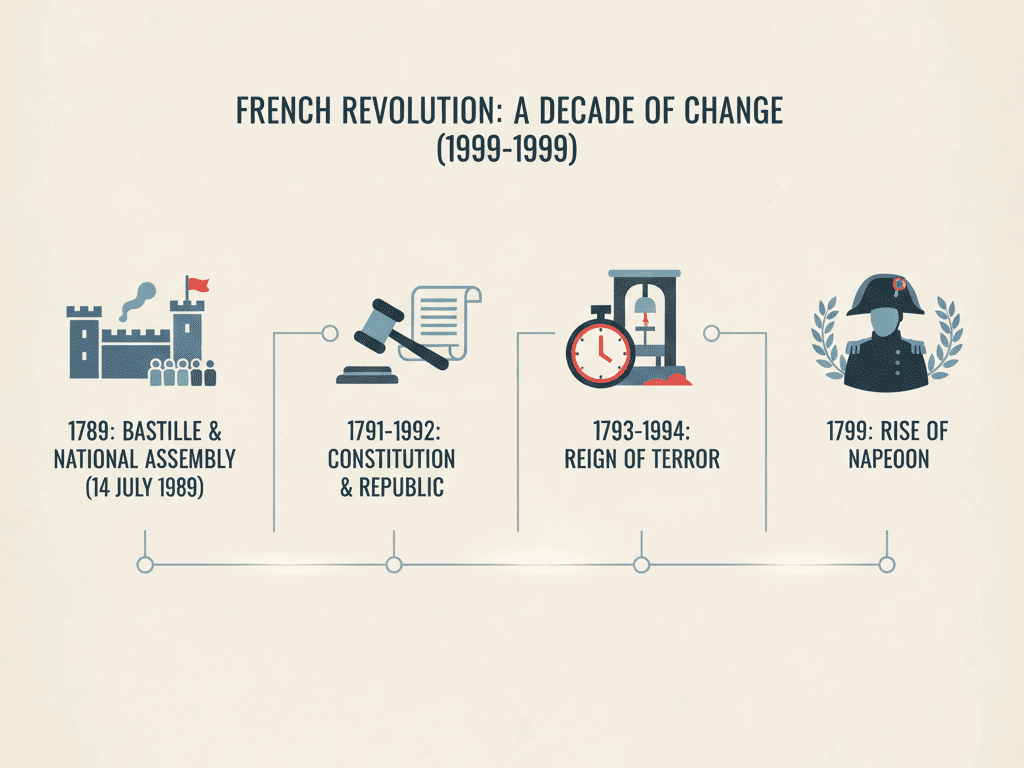
Timeline overview (1789–1799)
The French Revolution, starting in 1789, was characterized by a severe financial crisis and widespread public discontent in France. The assembly of the Estates General resulted in the creation of the National Assembly, which was the first step towards political transformation. The taking of the Bastille on July 14, 1789, became a strong symbol of the people’s fight against the absolute monarchy. Not long after that, feudal rights were wiped out, and the Declaration of the Rights of Man and the Citizen set forth the essential principles of freedom and equality.
The period of 1791 to 1793 saw the revolution take a drastic turn. Initially, France was ruled as a constitutional monarchy with limited powers for the king; however, the growing distrust among people led to the complete abolition of the monarchy. In 1792, a republic was proclaimed in France, and King Louis XVI was executed the following year. Outside invasions and uprisings inside the country aggravated the situation and made it difficult for the leaders of the revolution to adopt a moderate approach in the defense of their cause.
The French Revolution, during the period of 1793 to 1799 was marked by terror and-transition. The Reign of Terror, which was supported by Robespierre, saw countless people being executed as an act of revolutionary justice. After the Robespierre’s downfall, the Directory came to power, but its rule did not bring about any stability. Eventually, in 1799, Napoleon Bonaparte succeeded in taking over by means of a coup and thereby bringing the period of revolution to a close but at the same time he kept some of the reforms that had been made during the revolution.
Key idea: Liberty, Equality, Fraternity
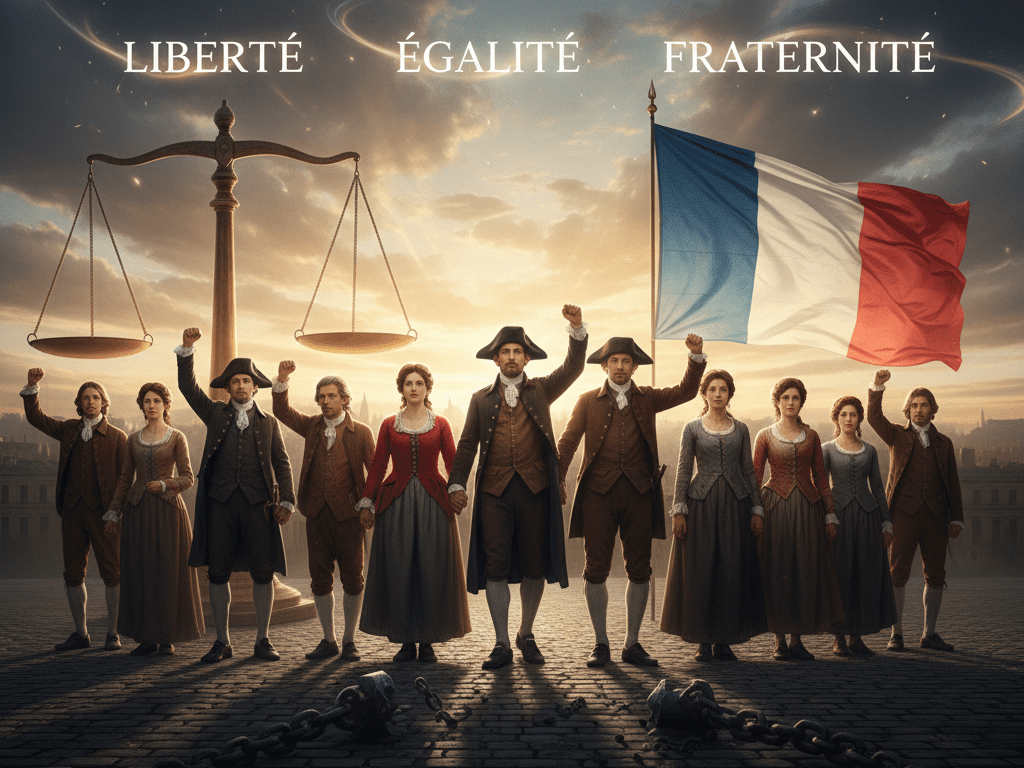
The French Revolution was driven mainly by the strong values of Liberty, Equality, and Fraternity, and these same values became the very basis of a new social and political order. By liberty was meant no more absolute monarchy, no more censorship, and no more arbitrary rule. The public demanded the right to express their opinions freely, to practice their faith, and to be afraid of wrongful punishment. Such an idea was a direct attack on the old system of unlimited power of the king.
Equality was the other main concept of the French Revolution and the one that aimed at putting an end to social and legal privileges based on birth. The clergy and the nobility were the ones enjoying these special rights, and at the same time, the common people were the ones paying the high taxes. The revolution offered equality in the eyes of the law, equal taxation, and equal opportunities for all people. Social equality was not realized completely; however, the revolution brought about the permanent abolishment of feudal privileges and legalized discrimination.
The Fraternity concept in the French Revolution stressed the unity, brotherhood, and collective responsibility of the citizens among themselves. It was the idea that people might see themselves as being part and parcel of one nation instead of being divided by class or estate. Liberty, equality, and fraternity combined to alter the face of France and encourage democratic movements across the globe; thus, these values became the French Revolution’s enduring legacy.
2. France Before the French Revolution (Ancient Regime)
Political system: Absolute Monarchy
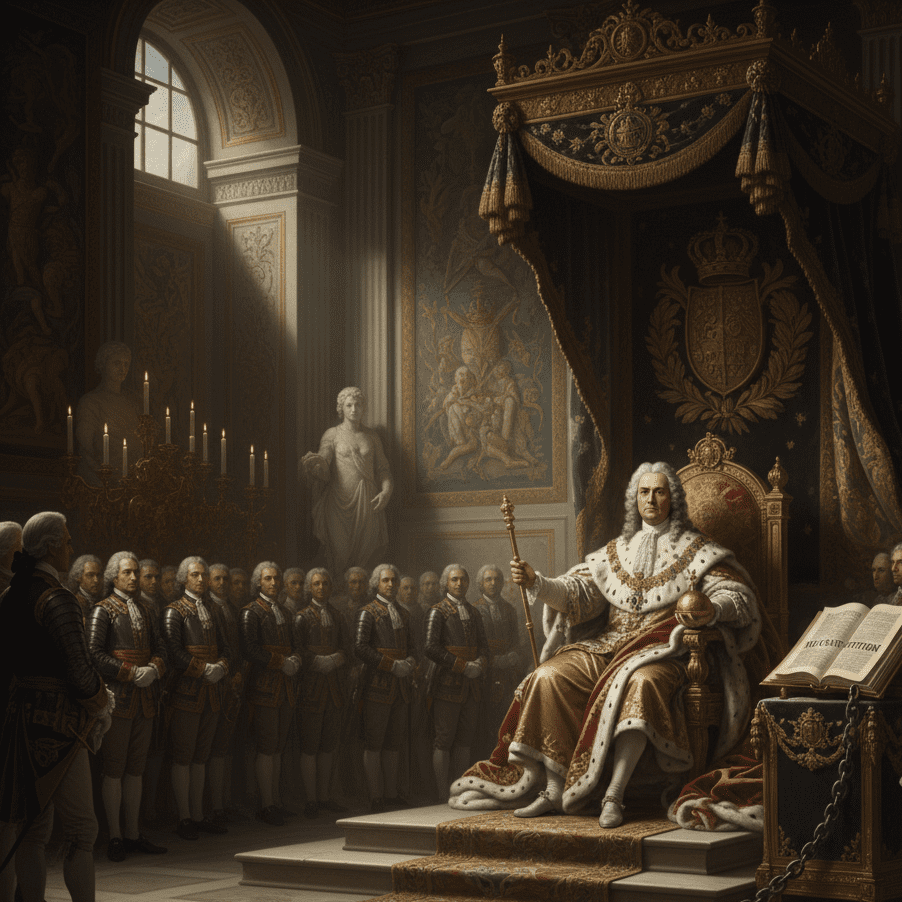
The French Revolution was a radical event that made a complete turn in the history of France while the Absolute Monarchy was still in power. Louis XVI, king of France at the time, ruled without any constitutional limitations, which meant that he could enact laws, levy taxes, and even control the courts without external interference. The king was so sure of his power that he considered it to be given to him directly by God, and therefore, he saw questioning or opposing the monarch as a confrontation of divine will.
The political system that was under the Absolute monarchy was centralized to a great extent and also highly unequal; these were the factors that led to the revolution in France. The Estates General was hardly ever called, and the common man was excluded from the decision-making process with no say at all. The whole population was divided into three estates, namely the clergy, nobility, and the common people, where the first two estates enjoyed the privileges of the church and were exempted from tax, while the common people were subjected to heavy taxation with no political rights, creating a very discontented and angry society that could no longer tolerate the royal authority.
The French Revolution confronted the absolute monarchy directly and eventually took it apart. Revolutionary movements were calling for the establishment of constitutional limitations on the power of the king and for the active participation of the citizens in politics. The downfall of the absolute monarchy was an epoch-making event; the people had proved that they could replace the whole system of absolute rule with a system of popular sovereignty and the rule of law.
Social structure of France
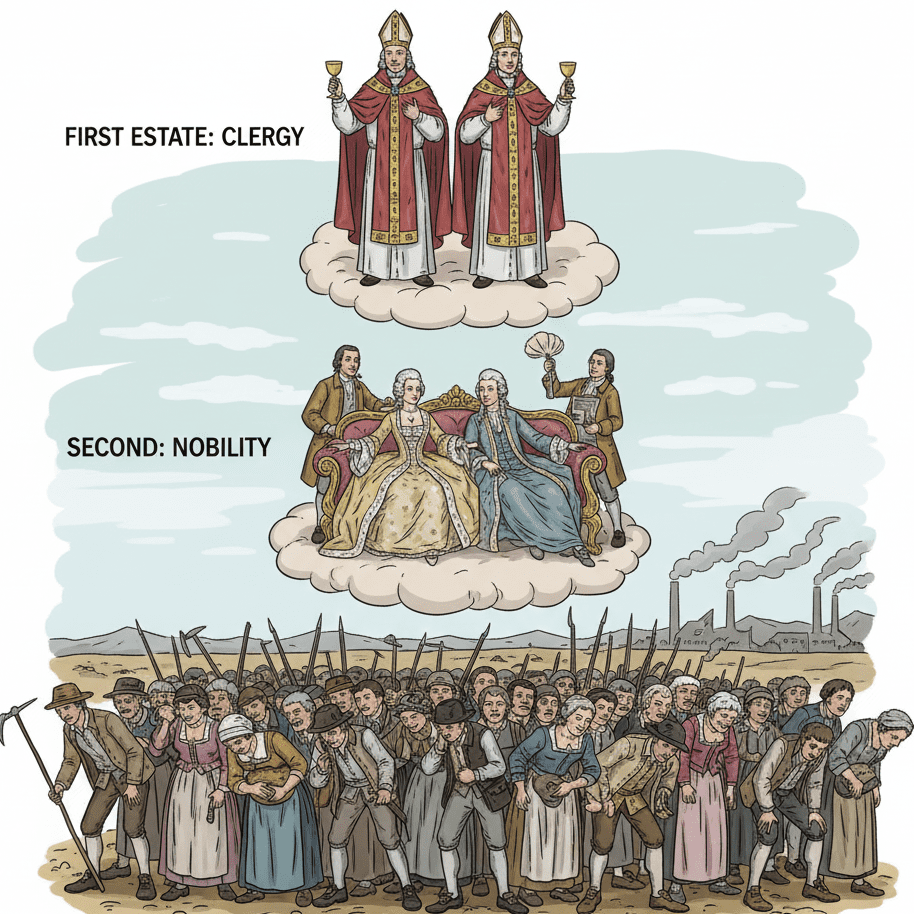
Before the French Revolution, French society was divided into a strict social hierarchy, which was called the Three Estates. The First Estate represented the clergy, the Second Estate represented the nobility, and the Third Estate was composed of the large segment of the population. This arrangement, which was based on birth rather than merit, caused great inequality, as it was the only way to define one’s social status and privileges.
The French Revolution was mainly the result of the unfair conditions that the Third Estate, which comprised mainly the peasants, workers, and bourgeoisie, faced. While the clergy and nobility were free from most taxes and enjoyed the right to hold high offices, the Third Estate was taxed to the maximum extent. They were the ones who contributed the most in the form of labour and wealth, but were still deprived of political power and subjected to the harshest economic conditions.
The unbalanced social order became intolerable and helped the French Revolution directly. The growing awareness of injustice and the Enlightenment ideas’ influence eventually led the Third Estate to specify equality and rights. The revolution not only put an end to feudal privileges but also to the estate system, thus paving the way for the establishment of a more equitable society based on citizenship rather than birth.
Role of King Louis XVI
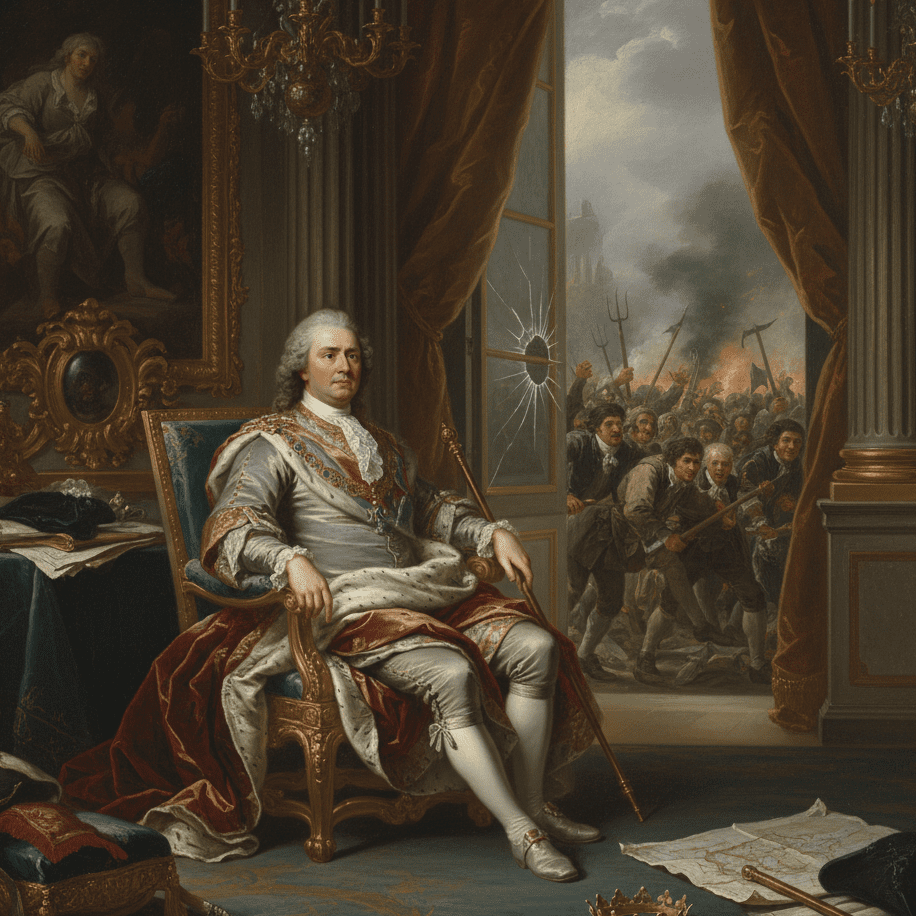
King Louis XVI was a major factor in the French Revolution, mainly because of his weak rule and wrong choices. As an absolute monarch, he not only inherited a financially broken France but also refused to come up with any reforms. His unmanageable royal spending, unfair taxing policy, and failure to act promptly to relieve people’s suffering contributed to the growing discontent among the poor.
At the beginning of the French Revolution, Louis XVI’s policies made the tragedy worse. He was the one who called the Estates General in 1789 but was not willing to concede the power to the National Assembly. His secretive ways of opposing changes and the unsuccessful flight attempt in 1791 led to the loss of public confidence; thus, people considered him an opponent of the revolution instead of a ruler under the constitution.
The revolutionary period in France that began with Louis XVI’s trial and execution came to a definite point in 1793. His death was a token of the total disempowerment of the king and the abolition of absolute monarchy and the old regime in France. Moreover, it indicated a significant change in revolutionary politics, as it became clear that the nation, not the king, was the one with the power.
Life of common people before the French Revolution
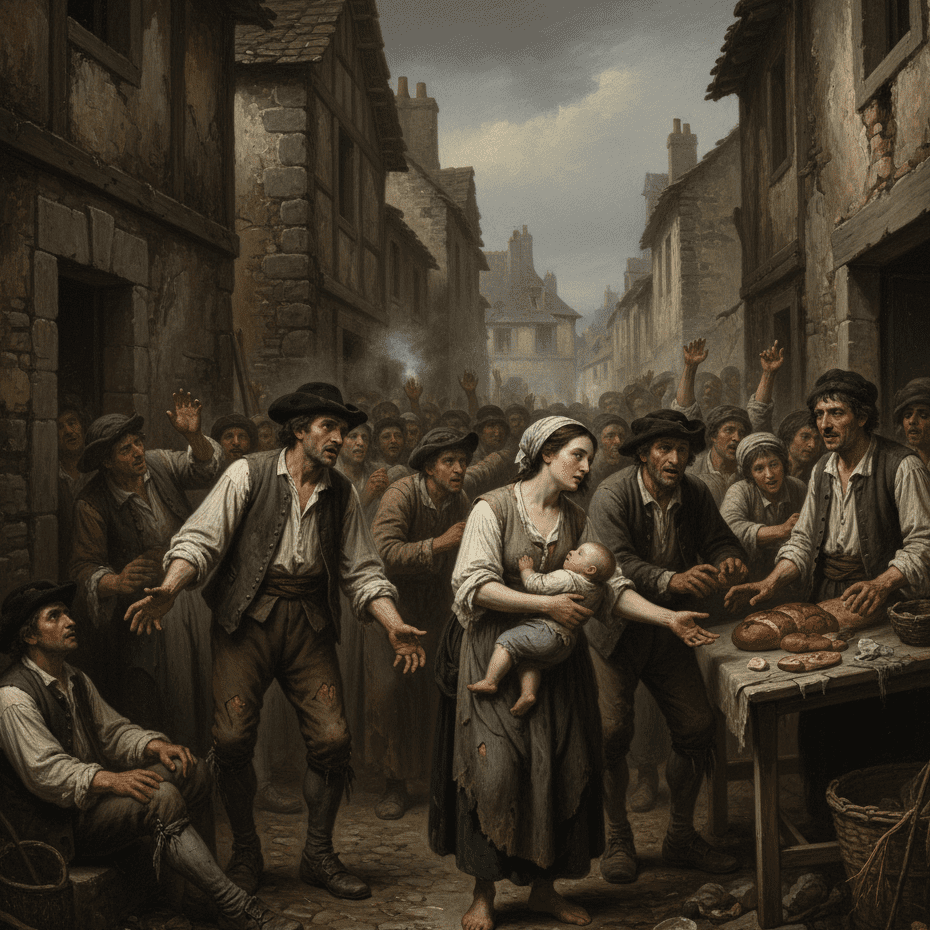
In the period prior to the French Revolution, the existence of the commoners in France was filled with difficulties, poverty, and the need for constant fighting for survival. The majority of the people were down to the Third Estate, comprising peasants, urban labourers, and small merchants. They had to pay heavy taxes, received low wages, and the prices for the most necessary goods, especially bread, the main food of the poor, escalated.
Economic conditions were the main reason for the further suffering of the common people in the pre-revolutionary period. The bad weather caused crop failures and famines, which in turn led to the shortage of food, while in towns and cities, the unemployment rate went up. Besides the above-mentioned hardships, the common people had very little political power and no involvement in the decision-making processes. Furthermore, they were not only obliged to pay taxes to the state but also to the church and feudal lords.
The daily tribulations experienced by the people resulted in the feeling of deep resentment and anger, which in turn was one of the main factors that sparked the French Revolution. The commoners, who were influenced by the new ideology of equality and justice, began to doubt the existence of the unjust social order. The upholding of their rights and the demand for the eradication of exploitation turned personal suffering into a mighty revolutionary movement.
3. The Three Estates System
First Estate: Clergy
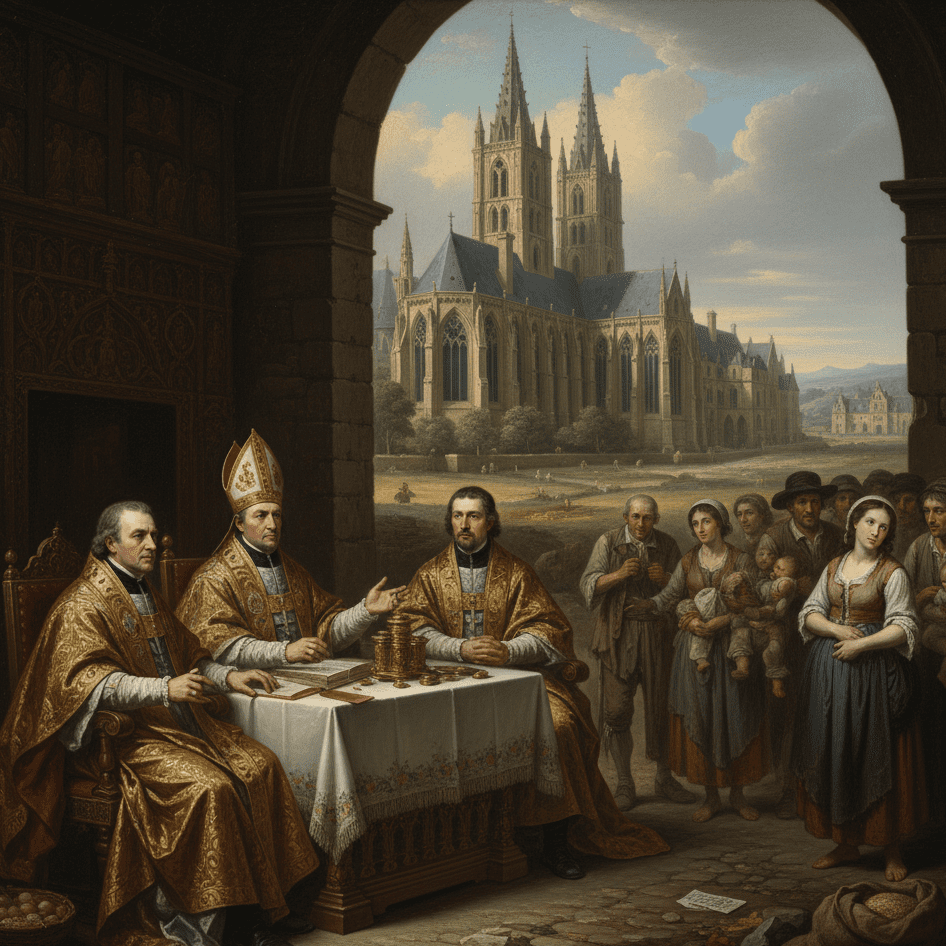
Before the French Revolution, the First Estate, composed of the clergy, was the most powerful among the three estates and enjoyed a privileged position in French society. One of the main functions of the clergy was to perform religious duties, educate people, and keep records like births and marriages. Although the Church constituted a minor fraction of the population, it possessed vast tracts of land and was a major influencer through its ties to the monarch and society.
In the hierarchy that precipitated the French Revolution, the clergy was reaping the profits of the system. They were not required to pay most taxes; they imposed a tax on the commoners called the tithe. The higher clergy, namely bishops and abbots, usually indulged in luxurious living and were strongly connected to the nobility, and the lower clergy, on their part, lived quite simply and were sometimes even compassionate to the poor.
The clergy’s position became a matter of contention during the Revolution as their privileges were being questioned. The Revolutionary reforms first came to the Church’s power, then confiscated its lands, and lastly, tax exemptions were done away with. This was indeed a revolutionary measure; the religious power was put under government control, which was quite a reflection of the overall objective of uprooting inequality and privilege.
Second Estate: Nobility
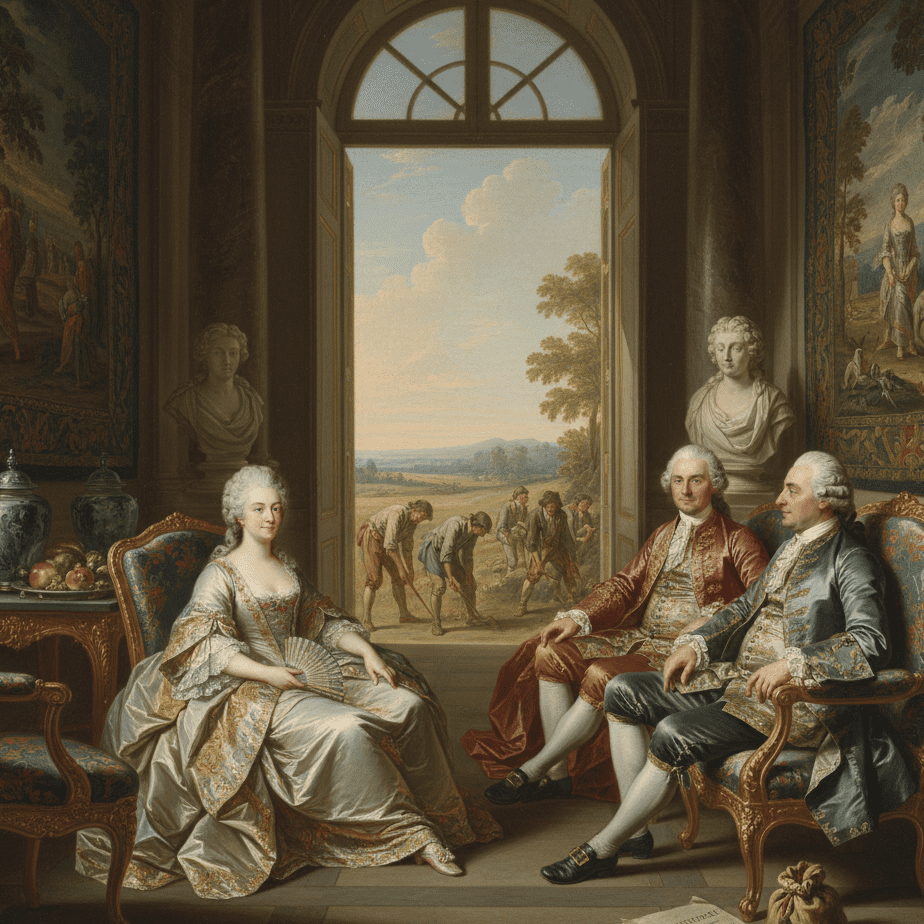
Before the French Revolution, the Second Estate, which was composed of the nobility, had the highest rank in the French social order, and they were the only ones to enjoy the benefits of a privileged position. Though they only accounted for a small fraction of the total population, the nobles had ownership of vast lands, occupied the top ranks in the military, government, and churches, and they also had legal privileges that were exclusive to them. This rank was conferred by birth, and thus a strict class system was reinforced.
The privileges of the nobles were the main reason for the discontent, which in turn was one of the factors that led to the French Revolution. The members of the Second Estate were mostly free from taxes, whereas the peasants living on the land of the nobility had to pay feudal dues and do forced labour. The nobility did not contribute much to the state’s revenue, but they remained the richest class in the country, which made the gap between classes even wider.
However, during the French Revolution, the privileges of the nobility were first directly challenged, then subsequently done away with altogether. The feudal rights were abolished, and the nobles were stripped of their legal perks and special classification. Some went into exile in other countries, while others were arrested or executed. This move was a watershed that gradually led to the legal equality of all citizens and the breakdown of the old social hierarchy.
Third Estate: Peasants, workers, bourgeoisie
The French Revolution was mainly caused by the Third Estate, consisting of peasants, urban workers, and the bourgeoisie. This group counted for around 90 percent of the population in France, and the economy’s entire weight was on their shoulders. The Old Regime barely acknowledged its power or the rights of these people and thus exercised very limited control over them.
The peasants and workers were those most afflicted in the run-up to the French Revolution. The peasants were in a state of famine and were paying very high taxes to the state, the church, and the landowners at the same time. The urban workers were suffering from a combination of low wages, unemployment, and high bread prices. On the other hand, the bourgeoisie—comprised of merchants, lawyers, and doctors—was well-educated and prosperous but still refused political power commensurate with their social standing.
It was this common feeling of injustice that brought about the unity of the Third Estate and made it the main driving force behind the French Revolution. The bourgeoisie acted as a leadership group and brought forward revolutionary ideas, while peasants and workers made their participation felt through protests and uprisings, thus supplying support in large numbers. They all together questioned the old privileges and asked for equality, which resulted in the downfall of the old regime and the transition to a new social order.
Tax burden and social inequality
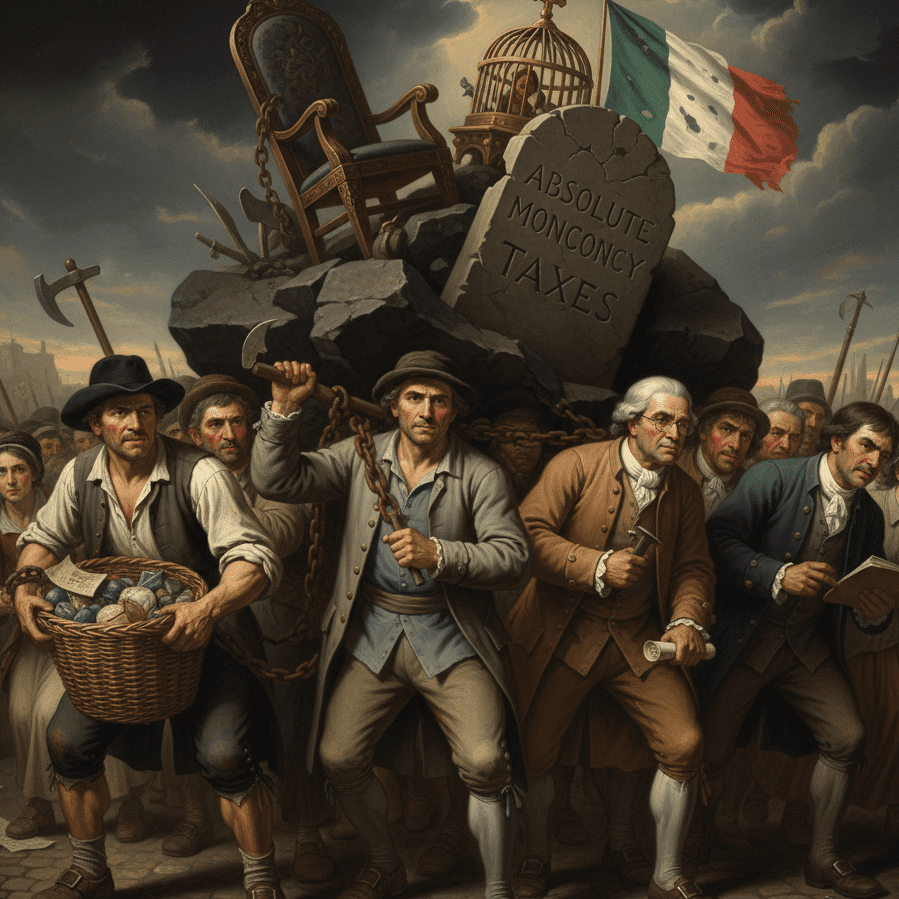
The heavy taxation and the social inequalities in French society were the main reasons for the French Revolution. The old regime had divided French society into three estates; only the Third Estate was responsible for most of the taxes paid. Peasants, workers, and the middle class had to pay the government taxes, tithes to the church, and dues to landlords, which made their lives very hard.
On the other hand, the privileged groups enjoyed major benefits in pre-revolutionary France. basically, the Church and the noble class were not taxed at all, even though they possessed a lot of land and wealth. Moreover, this unfair system meant that the poorest people were the main founders of the state, while the richest did not give much. Such inequality created dissatisfaction and fury among the ordinary people, especially during famines and price hikes.
The situation of people being taxed unequally, together with the social injustice, proved to be a powerful reason for the French Revolution. Economic hardship caused the people to start doubting the legitimacy of a system that gave preference to the wealthy and the privileged, no matter their circumstances. Eventually, the Third Estate led the change of equal tax and social justice by challenging privilege and claiming the revolutionary rights that aimed at creating equality before the law.
Why the Third Estate was angry
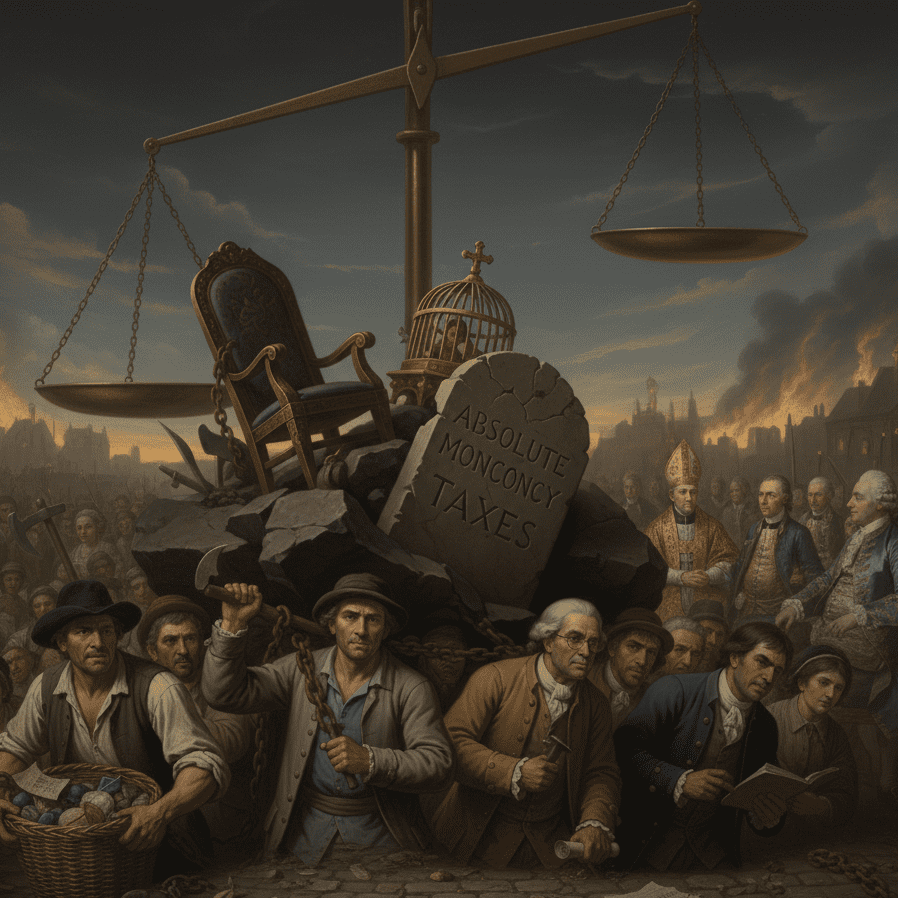
The French Revolution principally resulted from the discontent of the Third Estate, which represented the largest part of the French society. The Third Estate was made up of the lower class, city labourers, and the bourgeoisie, all of whom suffered through economic difficulties and social exclusions. They were, however, very few in the political sphere and completely cut out from the decision process, in spite of their numbers and social contributions.
Economic injustice was one of the main reasons the Third Estate was angry with the government before the Revolution. They had to pay taxes amounting to 80% of their income through land taxes, church tithes, and feudal dues while the clergy and nobility were taxed only lightly or not at all. High bread prices, layoffs, and famines made the situation of the poor even worse, thus expanding their anger and hatred towards the nobles and the king.
One of the major causes of the revolt was the combined effect of social injustice and political restrictions. The Third Estate was considered to be at the bottom of the social ladder despite their education and wealth, and the voting method was in favour of the privileged estates. Hence, the Third Estate was determined to fight for their right of equality, representation, and justice, which eventually turned their discontent into a revolutionary force.

4. Economic Crisis and Immediate Causes
Financial bankruptcy of France
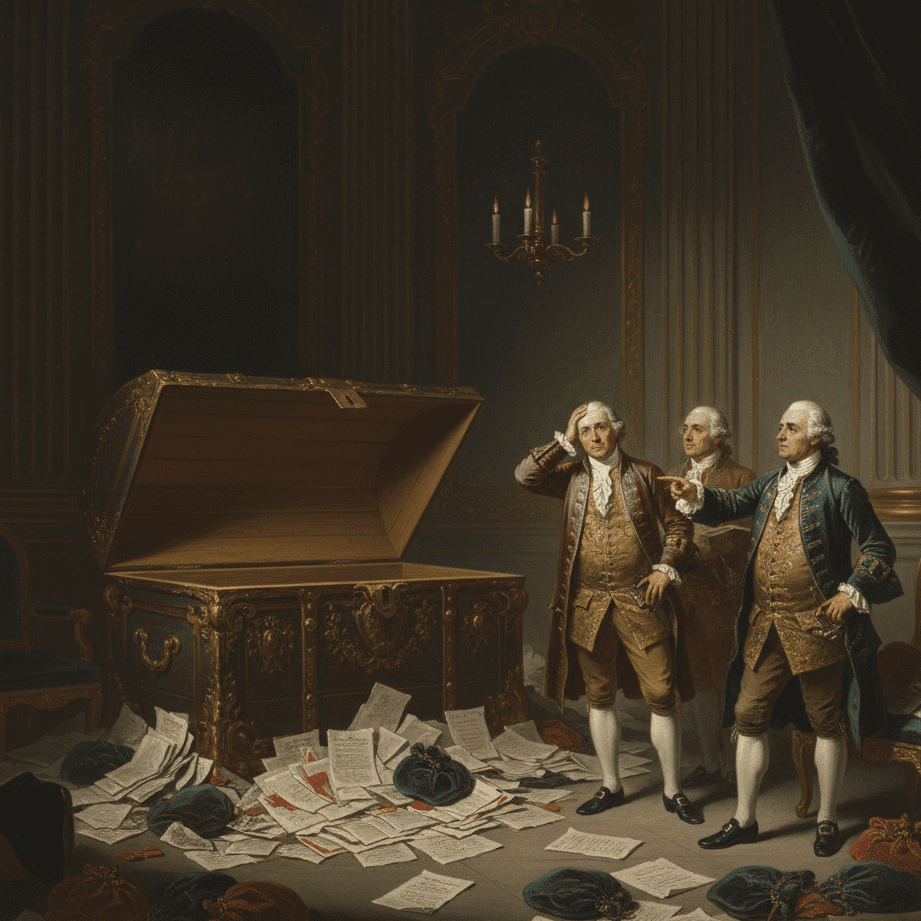
The financial bankruptcy of France under the old regime played a major role in the occurrence of the French Revolution. The French government continued to support the American War of Independence and maintain the luxurious lifestyle of the royal court, all at the expense of the state’s huge debts. Finally, by the late 18th century, the state was not only in debt due to its extravagant spending but also unable to meet its expenses.
This financial crisis had a direct impact on the events leading to the French Revolution. The nobility did not want to pay taxes, and consequently, the government could not raise enough revenue. Efforts to retrain taxes led to fierce opposition from the upper class, and thus, the monarchy was left with no alternative but to take more loans. Consequently, France experienced inflated prices, food scarcities, and a government that owed money to the suppliers but could not pay them.
The state’s insolvency made France a candidate for the French Revolution as it compelled the king to summon the Estates General in 1789. This gathering was meant to address the financial crisis, yet it revealed a very divided society and an unfair political system. The collapse of the economy, therefore, became the catalyst that turned the age-old frustration of the people into a full-blown revolution.
Costly wars and royal extravagance
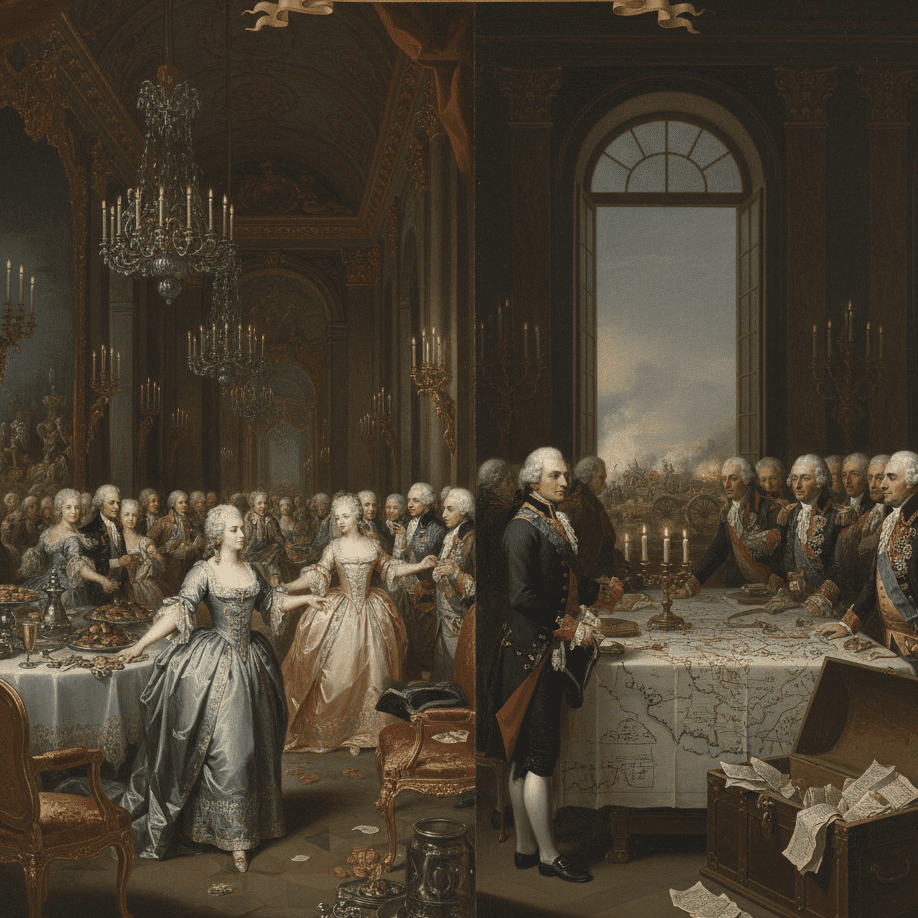
The French Revolution was fundamentally molded by the financial burden of the monarchy’s extravagant lifestyle, along with the costly wars imposed. France had been spending vast amounts on foreign wars, for instance, the American War of Independence, which had brought the royal treasury to its knees. These war expenses over time brought huge debts, which the government could not handle anymore, and this in turn caused very bad economic conditions and public unrest.
Besides wars, the kings and queens’ luxurious living, especially that of Louis XVI and Marie Antoinette, precipitated rebellion among the people. The palaces like Versailles became symbols of the greatest and most extravagant wealth, while the majority of citizens were facing the struggles of high taxes, famines, and poverty. The stark difference between the luxurious life of the royals and the suffering of the ordinary people not only supported but also helped the revolutionary ideas spreading around the society.
In the end, the marriage of price wars and royal luxury showed the monarchy’s lack of financial management and ability to provide for its subjects’ needs. Thus, its mismanagement of finances became a main cause of the French Revolution as the citizens were demanding equality, justice, and the abolishment of a discriminatory system that was benefiting only the privileged elite at the cost of the majority.
Heavy taxation system
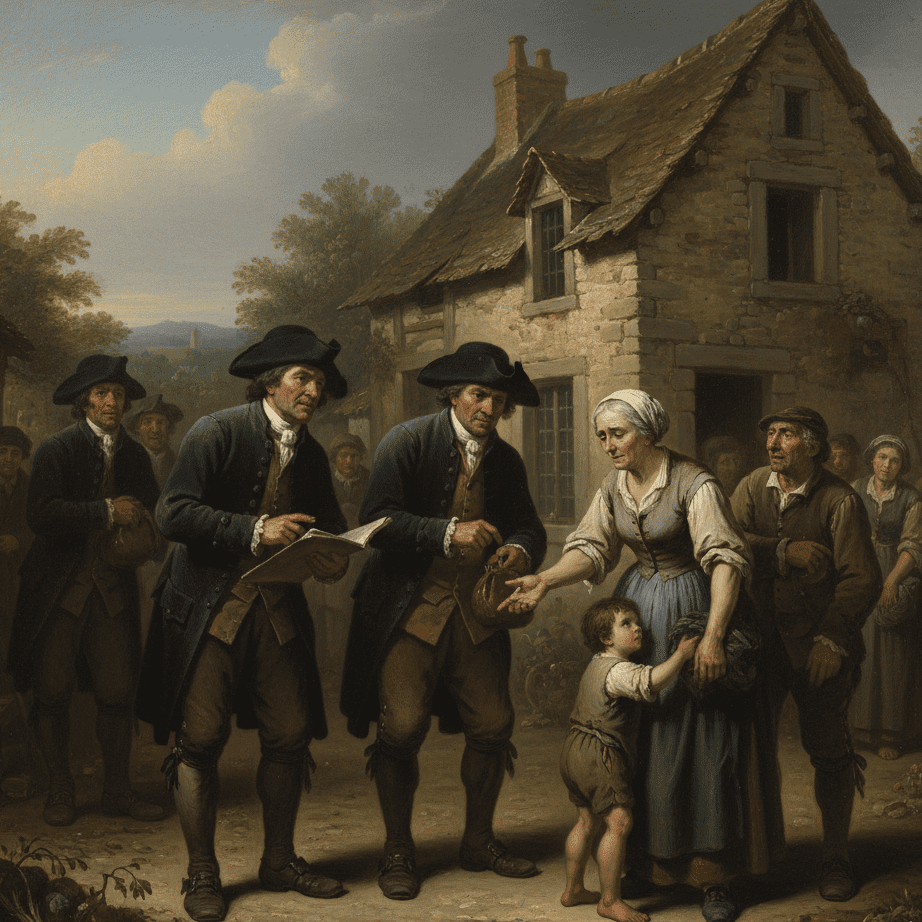
The French Revolution was essentially a revolt against the injustice of the tax system that heavily taxed the common people and favoured the privileged ones. The Third Estate consisted of the big group of people, consisting of the peasants and the poor of the cities, who bore the hard tax yoke, while the church (First Estate) and the nobility (Second Estate) had the privilege of being tax-free. This created a lot of anger because the common people had to finance a system that supported only a few and that was against their very existence, as they needed to spend their meager incomes on the most basic of things, like food and shelter.
The tax burden was not only heavy but also difficult to navigate as it comprised items such as the taille, gabelle, and feudal dues, among others which imposed a big financial strain on the lower classes. The state did not make much from the tax revenues because of the extravagance of the kings and the costs of wars, but almost all of the revenues came from those who were already financially miserable. The scale of taxation brought to light the injustice in the monarchy and thus incited the people’s anger.
The intolerable taxation became one of the factors leading to the French Revolution because the masses demanded economic equity and political change. The tax burden on the Third Estate, along with social injustice, made it evident that the time for change had come. The call to remove this tax system finally played a part in the uprising that resulted in the shadow of the monarchy being cast away and the rebirth of France.
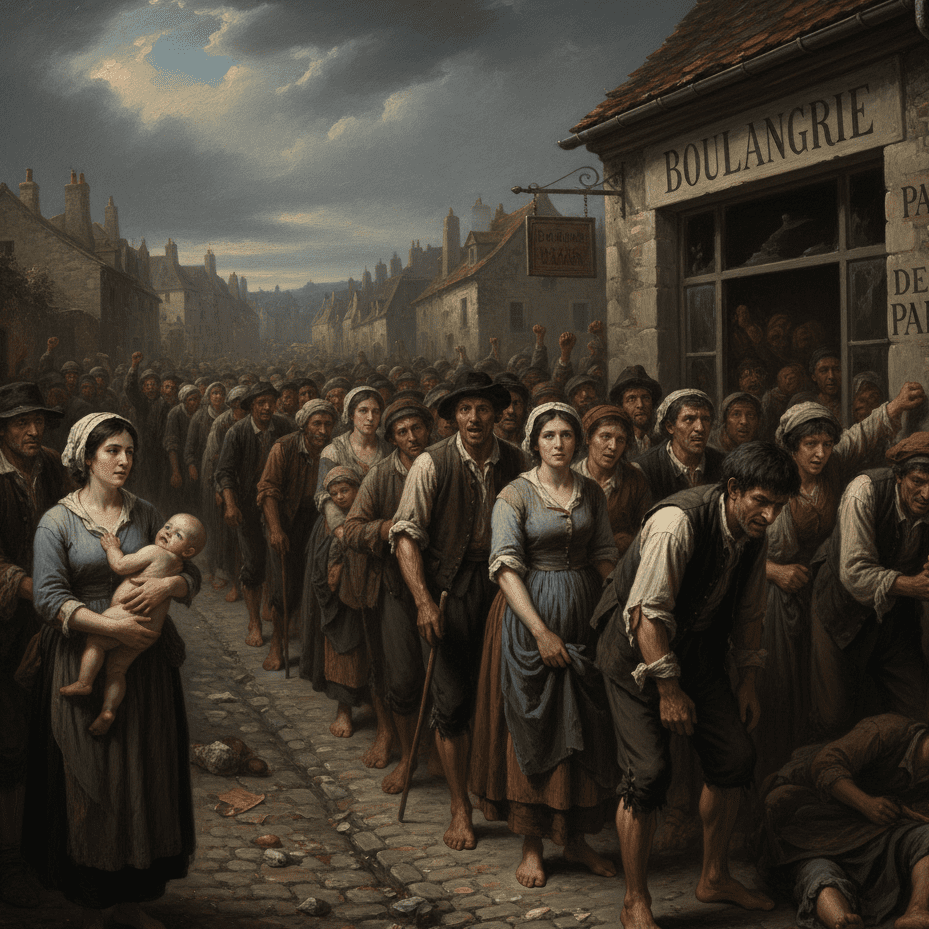
Rising bread prices and famine
Rising bread prices and widespread famine had a tremendous impact on the French Revolution since they made the common people suffer severely. Bread was the basic food of the Third Estate, and any hike in its cost meant death for them. The poor crop seasons, along with the mismanagement of the economy, resulted in the skyrocketing of the bread prices, and, consequently, the majority of the families had to fight to get even the simplest of meals.
Moreover, the famine and food shortages resulted in the peasantry and working class being angrier and more desperate. The lower classes were suffering from hunger, while the upper class continued to indulge in luxury, which also increased social disparity. The lack of cheap food made the people more inclined to the idea of revolution, as they were already convinced that the monarchy and the ruling elite were the main cause of their suffering.
The whole crisis of bread prices and famine turned into a revolution that brought riots and protests to the streets of Paris. The poverty-stricken people, together with the deprived politically and socially, were the crucible where the present system was being burnt; thus, it became apparent that it could not sustain the people anymore. Widespread unrest at last did bring about the fall of the monarchy and the demand for a more just and equitable society.
Role of unemployment and poverty
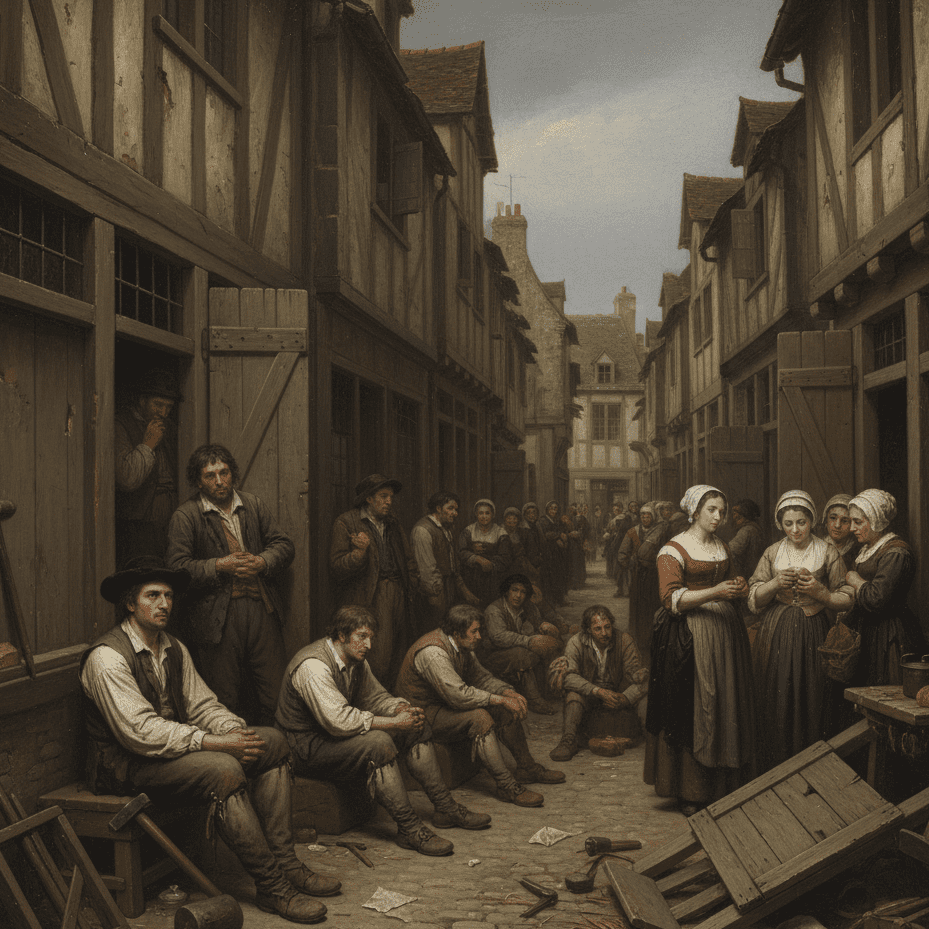
The French Revolution was heavily influenced by a combination of factors, including rampant unemployment and persistent poverty, which ultimately led to severe social unrest. Economic mismanagement, poor harvests, and a lack of available jobs in cities combined to leave many rural and urban workers without employment. These groups, without any steady income, found it increasingly difficult to satisfy their basic needs, and this in turn fuelled their discontent with the ruling class.
Poverty was not a rural issue only; artisans and labourers in towns had a hard time feeding their families, too. The disparity between the opulent aristocracy and the impoverished Third Estate created a very clear distinction of social classes. With the weight of their economic hardships, ordinary people became more open to revolutionary ideas that claimed to offer them rights, justice, and relief from their suffering.
In the end, unemployment and poverty were the driving forces behind the French Revolution, leading people to revolt. The association of financial hardship, social inequality, and lack of opportunity was so strong that they viewed the monarchy and aristocratic privileges as issues that had to be dealt with. The revolution that sought to establish a society based on the principles of rights and distribution was the direct consequence of such conditions.
5. Intellectual Causes: Role of Enlightenment Thinkers
Rousseau and the Social Contract
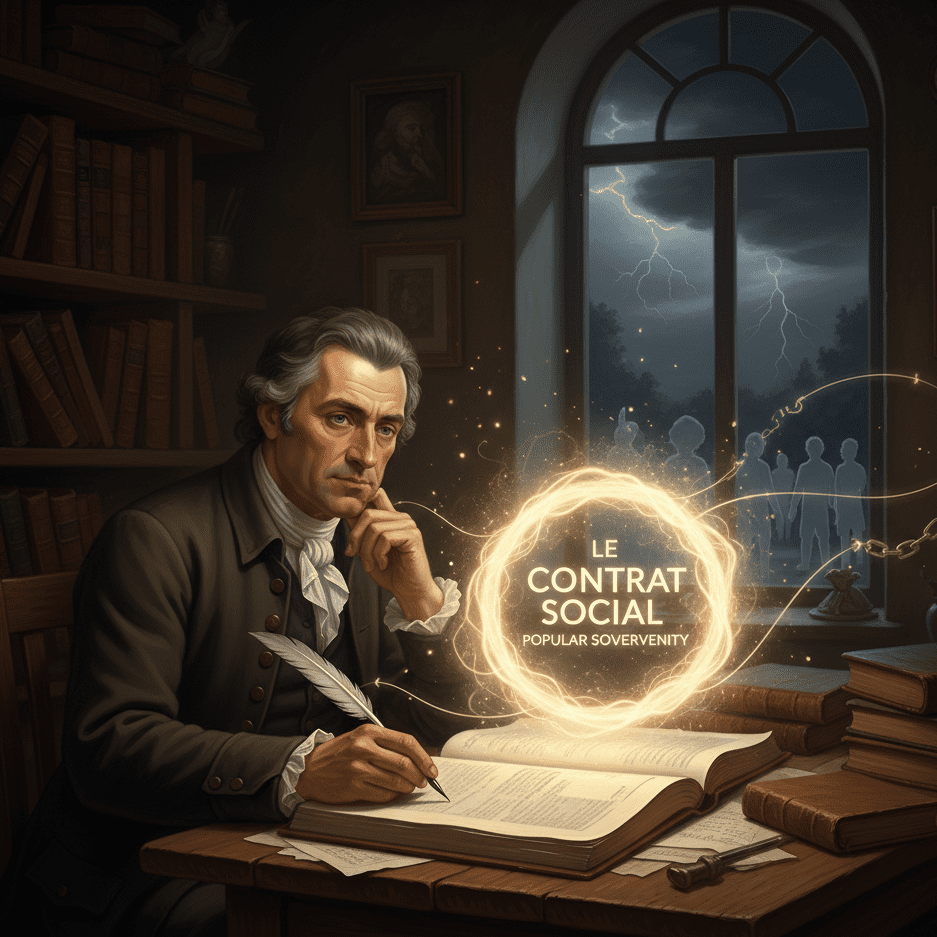
The French Revolution was greatly influenced by the concepts of Jean-Jacques Rousseau, especially his idea of the Social Contract. Rousseau maintained that the government should be based on the people’s will, and that power is with the people, the citizens, not the kings or the nobles. His thoughts took away the support of the absolute power of the monarchy and insisted that the laws must be in accordance with the people’s will.
The Social Contract created the notion that no one should be above the law and that everyone has a right to participate in the setting of the rules that govern the society. These ideas not only fired up the revolutionary thinkers of the day in France to dare to question the privileges of the ruling class and the clergy, but also to call for change in the form of social and political reforms. Rousseau’s theories were the ones that gave the base of the reason to demand the three slogans of the revolution—liberty, equality, and fraternity.
In promoting the idea of the people being sovereign, Rousseau affected the French people’s mentality to think of a community where power was given by the people and not someone who was born to rule. The philosopher’s works served as a springboard to revolutionary activity directed at a tyrannical monarchy and government that would be humane and considerate of the needs and the rights of everyone, thus making the Social Contract the most important intellectual source of the French Revolution.
Montesquieu and separation of powers
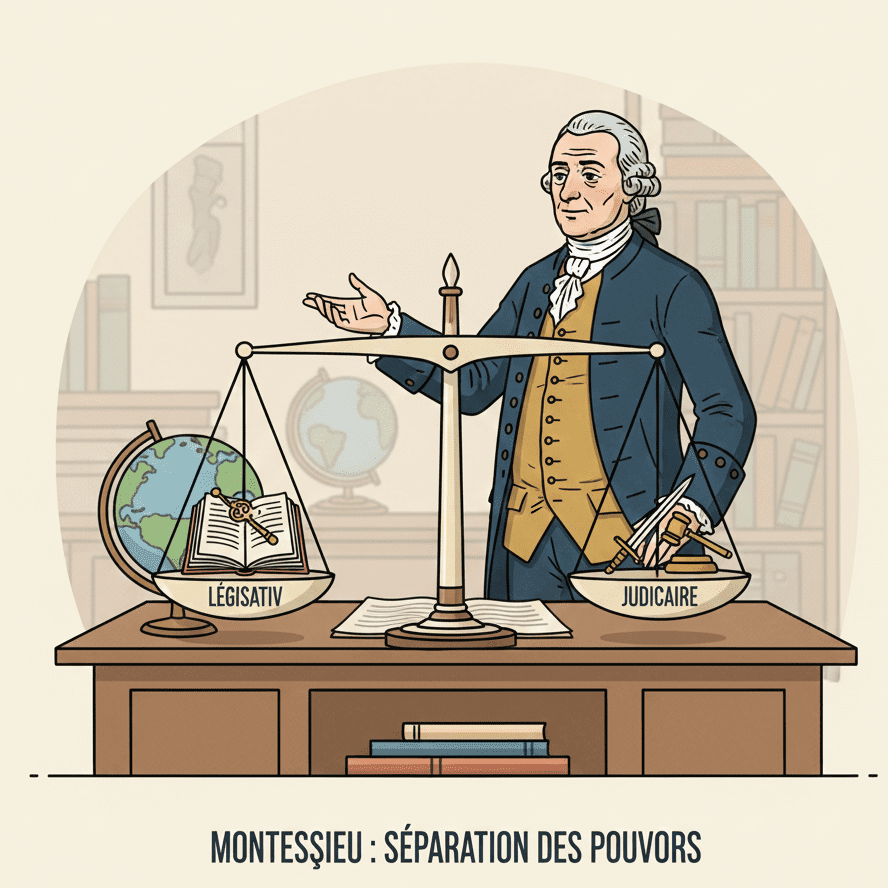
The political thoughts of Montesquieu, particularly his concept of separation of powers, greatly impacted the French Revolution. Montesquieu advocated for dividing the power of the state between the three branches of government — legislative, executive, and judicial — so that others might not misuse power. This was directly opposed to the absolute monarchy in France, where the king was all-powerful and ruled without any checks.
The king’s authority and the rule of the revolution were based on Montesquieu’s ideas. They encouraged radical reformers to think of a government based on equilibrium and responsibility. Montesquieu stressed that power must not be concentrated in one person or one group while at the same time ensuring the rights of the people and administering justice. These doctrines became the basis of the revolution in France as its leaders insisted on a system that deprived the rulers of their powers and set up opposition through checks and balances.
The idea of separation of powers was a major factor in the development of the modern democratic concepts during the French Revolution. It was the philosophical underpinning of the reformation of the political arena of France, the lessening of the king’s power, and the establishment of representative bodies that practiced the sharing of power. Montesquieu’s impact could be seen as a factor that made it possible for liberty and justice to become the main objectives of the revolution.
Voltaire and freedom of speech
Certainly, the French Revolution was significantly inspired by Voltaire, particularly by his support of freedom of speech and expression. Voltaire criticized absolute monarchy and the Church’s power, claiming that people should have the right to express their views and be protected from penalties. The power of his writing encouraged people to challenge the government and to ask for transparency and justice from the rulers.
Voltaire’s emphasis on free speech was a major reason for revolutionary ideas reaching the masses. The public could access pamphlets, books, and debates based on his philosophy, and thus, they dared to question the existing social and political disparities. The appeal for open dialogue and the government’s criticism turned out to be an influential factor in the Third Estate’s opposition to the unjust rule.
Voltaire, by giving precedence to the right to speak, was the philosopher behind the intellectual emancipation of the people during the French Revolution. His thinking rooted the claim for civil rights, the government accountability, and the people’s right to question, which made him a major force in the revolutionary movement that aimed at establishing freedom, equality, and justice in France.
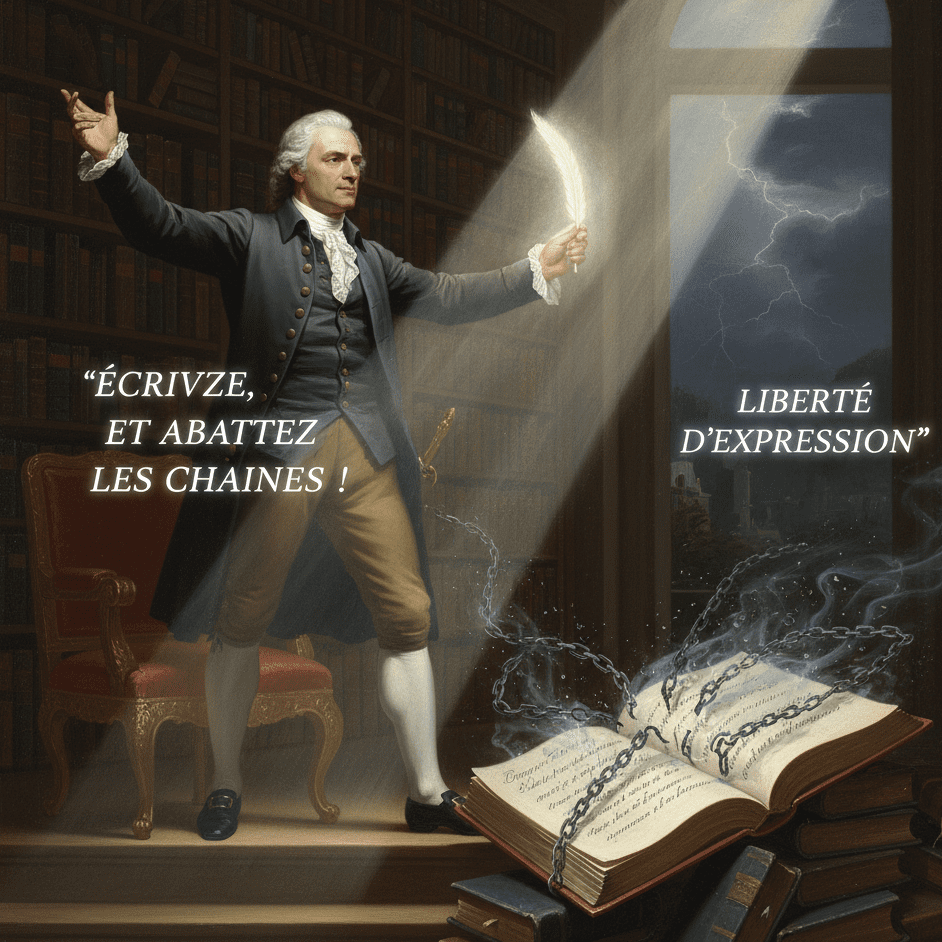
How ideas influenced the French Revolution
The French Revolution was indeed a combination of tyrannical economic and social issues and philosophical revolutionary ideas of the Enlightenment. The Enlightenment philosophers and thinkers, like Rousseau, Montesquieu, and Voltaire, radically changed the perception of kingship and the Church’s power. They granted people the right to demand a government of their choice based on the will of the people by proclaiming such principles as equality, freedom, and justice.
The Social Contract of Rousseau highlighted the authority of the people, while Montesquieu proposed the division of power as a means of preventing tyranny, and Voltaire was the loudest voice for freedom of expression and civil rights. These doctrines were widely disseminated in pamphlets, books, and discussions, thus enlightening the populace to picture a community where power was shared, laws were just, and individual rights were honored. The Enlightenment thinkers, through their debates, provided a justification for the new social and political order by philosophically declaring the old one as invalid.
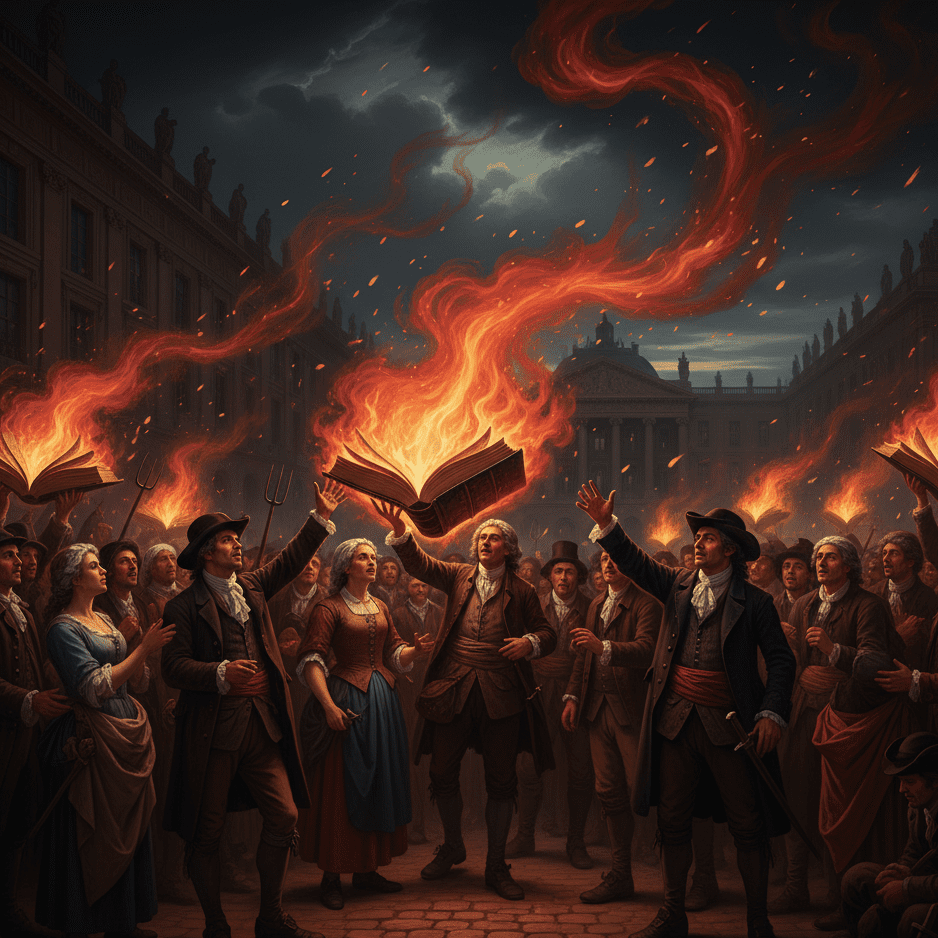
Although these ideas were gradually accepted over the decade that led to the revolution, they gradually became more and more significant until they constituted the revolution’s driving force, besides the others. Thus, the Third Estate was stimulated to protest against the trio of oppression, namely inequality, economic hardship, and the royal class. The revolutionaries intended to create a society of liberty, equality, and fraternity by blending intellectual thought with social grievances, thus making the impact of ideas the main power behind the revolution.
very nice sir